Running on Empty Doesn't Hurt Your Engine — But It's Quietly Destroying Something Else
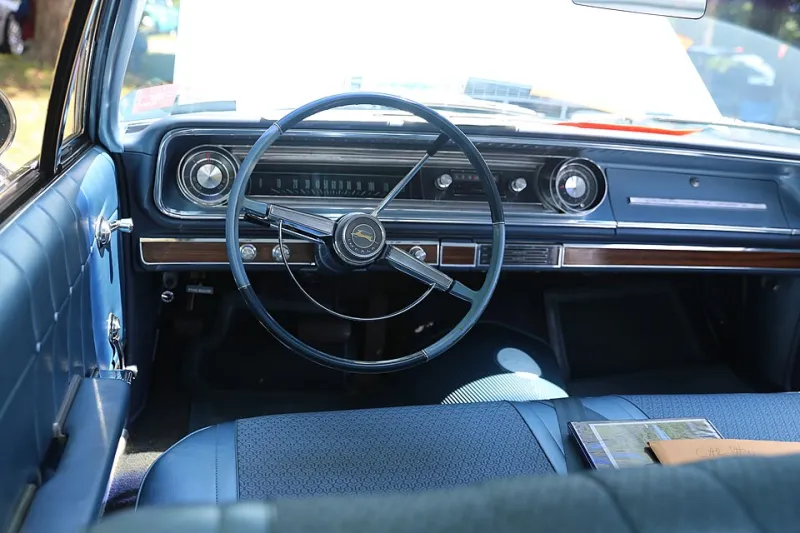
Photo: Mr.choppers, CC BY-SA 3.0, via Wikimedia Commons
Running on Empty Doesn't Hurt Your Engine — But It's Quietly Destroying Something Else
Most drivers have heard some version of the warning: don't let your car run too low on gas, or you'll suck up sediment from the bottom of the tank and clog your fuel system. It's the kind of advice that gets passed down from parents to new drivers with the same confidence as checking the oil and not gunning a cold engine. It sounds mechanical, plausible, and just technical enough that nobody questions it.
The sediment story, though, is largely a relic. Modern fuel systems were redesigned decades ago in ways that make that specific risk almost negligible for the average driver. The reason you shouldn't habitually run your tank near empty is real — it's just completely different from what most people believe.
Where the Sediment Story Came From
The concern about tank sediment isn't entirely fictional. In older vehicles — think pre-1980s carbureted engines — fuel tanks were simpler, and the fuel pickup was positioned in a way that made bottom-of-tank debris a genuine concern over time. Rust, water condensation, and particulate matter could accumulate, and a very low tank meant the pickup was drawing from exactly the zone where that debris settled.
That was a real problem for a real generation of cars. The advice made sense then, and it got passed down faithfully, as good advice often does — long past the point where the underlying conditions changed.
Modern fuel-injected vehicles have fuel filters that are far more capable than their predecessors, and most contemporary cars have fuel pickups designed to pull from the cleaner middle section of the tank rather than scraping the bottom. More importantly, today's fuel tanks are typically made from high-density polyethylene plastic rather than metal, which eliminates the rust problem almost entirely. The sediment threat that the warning was built around has been engineered away in most vehicles on the road today.
What's Actually Inside Your Fuel Tank
Here's the part of the story that genuinely matters, and that almost nobody gets told during driver's ed: your fuel pump lives inside your gas tank.
In modern vehicles, the electric fuel pump is submerged directly in the fuel. This isn't an accident — it's a deliberate engineering choice. Gasoline acts as a coolant and lubricant for the pump. The fuel flowing around and through the pump keeps it from overheating during normal operation. It's an elegant design solution that keeps the pump cool, primed, and protected without requiring a separate cooling system.
The problem with running consistently low on fuel is that when the tank drops near empty, the pump is no longer fully submerged. It's cycling in and out of the fuel, sometimes pulling air, running hotter than it was designed to, and working harder to maintain pressure. Do this occasionally and the pump can handle it. Make it a habit — running below a quarter tank regularly, or repeatedly letting the warning light come on before refueling — and you're gradually shortening the pump's lifespan.
Fuel pump replacement is not a cheap repair. Depending on the make and model, you're typically looking at anywhere from $400 to over $1,000 at a shop, and the labor is significant because of where the pump lives. It's the kind of failure that feels sudden but was actually accumulating quietly over years of low-fuel habits.
What the Low-Fuel Light Is Actually Measuring
Most drivers treat the low-fuel warning light as a fairly precise signal — a reliable indicator of exactly how far they can go. In reality, the light is calibrated differently across makes and models, and the variance is wider than most people realize.
Generally, the warning light in American vehicles triggers when roughly 10 to 15 percent of the tank's capacity remains. But "roughly" is doing a lot of work in that sentence. Some manufacturers set the trigger point conservatively, giving drivers a comfortable buffer of 30 to 50 miles. Others set it more aggressively, with the light coming on much closer to true empty. The same light, in different cars, can mean very different things.
What the light is not doing is measuring the health of your fuel system, the temperature of your pump, or whether your driving patterns are slowly wearing out components. It's a simple float-based measurement of volume. It tells you approximately how much fuel is left. It doesn't tell you how much damage the last 10,000 miles of low-tank driving may have already done.
The Habits Worth Rethinking
None of this means you need to fill up at half a tank every time or treat the quarter-tank mark as an emergency. But understanding the actual mechanism at risk — the fuel pump, not the engine — changes how to think about the habit.
The drivers most at risk are the ones who routinely use the low-fuel light as their actual refueling cue, especially in stop-and-go urban driving where fuel pumps are working harder and heat buildup is more of a factor. In those conditions, consistently low fuel levels create a pattern of thermal stress that compounds over time.
The revised picture here isn't dramatic. Running your car low on fuel occasionally won't destroy anything. The sediment risk that generations of drivers worried about is largely a ghost story from a different era of automotive engineering. But the fuel pump risk is genuine, unglamorous, and almost never mentioned — which is exactly the kind of thing that ends up costing people money they didn't see coming.
The light isn't lying to you. It's just not telling you the whole story.