The Kitchen Storage Mistakes Almost Everyone Makes — And Why Grocery Stores Taught Us Wrong
The Great American Refrigeration Obsession
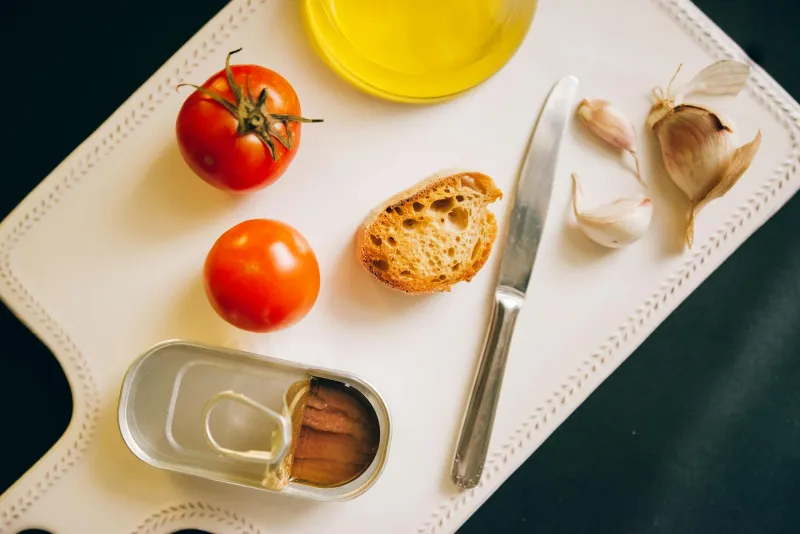
Walk into any American kitchen and you'll find the same scene: tomatoes chilling in the crisper drawer, bread wrapped and stored in the fridge, and expensive olive oil relegated to the cold depths next to the milk. These storage choices feel responsible, safe, and logical.
They're also destroying your food.
How Grocery Stores Accidentally Miseducated America
The confusion about food storage didn't start in your kitchen — it started in the grocery store. For decades, American supermarkets have displayed foods based on logistics and shelf life rather than optimal storage conditions.
Tomatoes sit in refrigerated produce sections not because cold storage improves them, but because it slows ripening and extends the time stores can display them. Bread gets delivered and stocked at room temperature, then consumers see other shoppers putting loaves in their carts next to frozen goods and assume refrigeration makes sense.
Olive oil presents an even stranger case. Premium bottles often come with dark glass and careful packaging that suggests delicate storage needs. Faced with an expensive product that seems fragile, consumers default to the coldest, darkest place available: the refrigerator.
Grocery stores never intended to teach storage methods, but their displays became an accidental education system that prioritized shelf life over food quality.
The Tomato Tragedy Happening in Your Crisper Drawer
Tomatoes might be the most misunderstood food in American kitchens. Almost everyone refrigerates them, and almost everyone is making them worse.
Tomatoes contain volatile compounds that create their distinctive flavor and aroma. These compounds are temperature-sensitive, breaking down rapidly when exposed to cold. Refrigeration doesn't just dull tomato flavor — it fundamentally alters the fruit's molecular structure.
Researchers at the University of Florida found that storing tomatoes below 54°F damages the membranes inside cells that produce flavor compounds. Even worse, this damage is permanent. A refrigerated tomato that's brought back to room temperature will never recover its full flavor potential.
 Photo: University of Florida, via i.pinimg.com
The texture changes too. Cold storage breaks down the pectin that gives tomatoes their firm structure, leading to that mealy, unpleasant mouthfeel that characterizes most supermarket tomatoes.
The irony is that tomatoes are actually quite shelf-stable at room temperature. A ripe tomato will stay fresh on your counter for several days, developing better flavor as volatile compounds continue to develop. Only overripe tomatoes benefit from refrigeration, and only to slow spoilage for a day or two.
Why Your Bread Goes Stale Faster in the Fridge
Bread storage represents another widespread misunderstanding, driven by the logical-sounding idea that cold prevents spoilage. But bread doesn't spoil the way milk does — it goes stale through a process called retrogradation, and refrigeration actually accelerates this process.
When bread is baked, starch molecules absorb water and swell, creating the soft texture of fresh bread. Over time, these starch molecules reorganize and release water, making bread firm and dry. This process happens fastest at temperatures just above freezing — exactly where most refrigerators operate.
Bread stored at room temperature will stay soft for several days. The same bread stored in the refrigerator will become noticeably stale within 24 hours. The cold doesn't prevent spoilage; it guarantees staleness.
The confusion comes from bread's short shelf life and our association of refrigeration with food safety. But bread's enemies aren't bacteria — they're air and time. Proper storage means keeping it in an airtight container at room temperature, where it will maintain texture and flavor far longer than in the cold.
Freezing bread is different. At freezer temperatures, the retrogradation process stops entirely. Frozen bread maintains its texture indefinitely, making the freezer a better storage choice than the refrigerator for bread you won't eat within a few days.
The Olive Oil Mistake That Costs Flavor and Money
Extra virgin olive oil represents one of the most expensive mistakes in American food storage. Many people treat it like a fine wine, storing it in the coldest, darkest place possible. But olive oil isn't wine, and cold storage creates more problems than it solves.
Olive oil contains natural waxes that solidify at refrigerator temperatures, creating cloudiness and sometimes forming white flakes. While this doesn't make the oil unsafe, it does indicate stress to the oil's molecular structure. More importantly, cold storage mutes the complex flavors that make good olive oil worth buying.
The compounds responsible for olive oil's peppery, fruity, or grassy notes are volatile, meaning they evaporate easily. Cold temperatures suppress these volatiles, essentially putting the oil's flavor to sleep. When you cook with cold olive oil, you're missing most of the taste you paid for.
Olive oil's real enemies are light, heat, and oxygen — not moderate temperatures. The ideal storage spot is a cool, dark cabinet away from the stove. A pantry works perfectly, maintaining stable temperatures without the extreme cold that damages flavor.
Quality olive oil stored properly at room temperature will maintain its flavor and nutritional properties for months. The same oil stored in the refrigerator might last longer before going rancid, but it will taste flat and unremarkable long before that point.
The Safety Messaging That Went Too Far
Much of America's refrigeration obsession stems from decades of food safety campaigns that emphasized "when in doubt, refrigerate." This advice made sense for potentially hazardous foods like dairy products and raw meat, but it got overapplied to foods that don't benefit from cold storage.
The "danger zone" concept — the temperature range where bacteria multiply rapidly — became simplified into "everything should be cold." Food safety educators focused on preventing illness rather than optimizing flavor, leading to storage advice that prioritized caution over quality.
This messaging was reinforced by refrigerator manufacturers and food packaging that emphasized extended shelf life over optimal taste. "Refrigerate after opening" became a default instruction, even for products that tasted better at room temperature.
What Your Kitchen Should Look Like Instead
Proper food storage isn't complicated, but it does require unlearning some deeply ingrained habits:
Tomatoes belong on the counter, stem-side down, until fully ripe. Only refrigerate them if they're overripe and you need to slow spoilage.
Bread stays freshest in an airtight container at room temperature. Freeze what you won't eat within a few days, but avoid the refrigerator entirely.
Olive oil should live in a cool, dark cabinet — not the refrigerator and definitely not next to the stove.
Onions and potatoes prefer cool, dark, well-ventilated spaces. Refrigeration converts potato starches to sugars, creating off-flavors and potentially harmful compounds when cooked.
Honey never needs refrigeration and will crystallize in cold storage. Room temperature keeps it flowing and flavorful indefinitely.
The Technology That Changed Everything
Modern refrigeration is one of the greatest public health advances in history, dramatically reducing foodborne illness and extending food availability. But like many powerful technologies, it got overused.
Refrigerators work so well for dairy, meat, and leafy vegetables that we began putting everything in them. The appliance designed to keep specific foods safe became a default storage solution for all foods.
Understanding when not to refrigerate is just as important as knowing when to refrigerate. Your kitchen works best when you match storage methods to each food's specific needs rather than defaulting to the coldest option.
Taste the Difference
The next time you buy tomatoes, try an experiment: store half in the refrigerator and half on the counter. After a few days, taste them side by side. The difference isn't subtle — it's the difference between eating tomato-flavored water and experiencing what tomatoes actually taste like.
The same experiment works with bread texture and olive oil flavor. Once you taste foods stored properly, refrigerated versions will seem obviously diminished.
American kitchens have been accidentally sabotaging good food for decades, following storage advice that prioritized shelf life over flavor. The fix isn't complicated — it just requires trusting that some foods know how to take care of themselves at room temperature.
Your taste buds will thank you for the upgrade.