Your Earliest Memories Feel Real Because Your Brain Is an Excellent Fiction Writer
The Memory You're Sure About
Most people have a small collection of early childhood memories they treat as bedrock — the smell of a grandparent's house, the color of a favorite toy, a specific afternoon that somehow survived the fog of early life. These feel different from hazy impressions. They feel seen. Specific. Real.
That feeling of certainty is exactly what makes the neuroscience of memory so unsettling. Because the research is fairly consistent on this point: vivid does not mean accurate, and the brain's memory system is not a recording device. It's a storytelling engine — and it's been working on your personal narrative since before you could form sentences.
Memory Doesn't Play Back. It Rebuilds.
Here's the foundational concept that changes everything: memory is reconstructive, not reproductive.
When you remember something, your brain doesn't pull up a stored file and hit play. It reassembles the memory in real time, drawing on fragments of what was actually stored, filling gaps with plausible details sourced from related experiences, and rebuilding the whole thing from scratch each time. Neuroscientists call this process reconsolidation — and every time a memory is recalled, it becomes briefly malleable before being re-stored.
This means that every time you've thought about that birthday party or that summer afternoon, your brain has been making small edits. A detail borrowed from a photograph. An emotion colored by how you feel about that period of your life now. A sensory detail pulled from a similar experience. Over years and decades of replaying a memory, it can drift quite far from whatever the original experience actually was.
And here's the uncomfortable part: the rebuilt version feels exactly as real as the original — often more so, because it's been refined into something coherent and emotionally resonant.
The Three-Year Wall
Researchers have a name for the near-total absence of reliable memories from the first two to three years of life: childhood amnesia. It's not that nothing happened. It's that the brain structures responsible for encoding episodic memories — particularly the hippocampus — aren't sufficiently developed during infancy to create the kind of stable, retrievable records adults carry.
Yet many people report clear memories from age two or even younger. Studies have found that when researchers cross-reference these early memories with family records, photographs, or accounts from relatives, a striking number of them contain details that couldn't have been present — or turn out to describe events that happened to a sibling, or appear in a family photograph rather than in lived experience.
The memory isn't a lie, exactly. The brain found a gap and filled it with something plausible. The result is a memory that feels personal and specific but is, in large part, constructed.
How Easy Is It to Plant a False Memory?
Psychologist Elizabeth Loftus spent much of her career answering this question, and her findings are among the most replicated in cognitive science. In a now-famous series of studies, Loftus and her colleagues demonstrated that false memories could be implanted in healthy adults with surprising ease — not through hypnosis or pressure, but simply by asking leading questions or providing slightly incorrect post-event information.
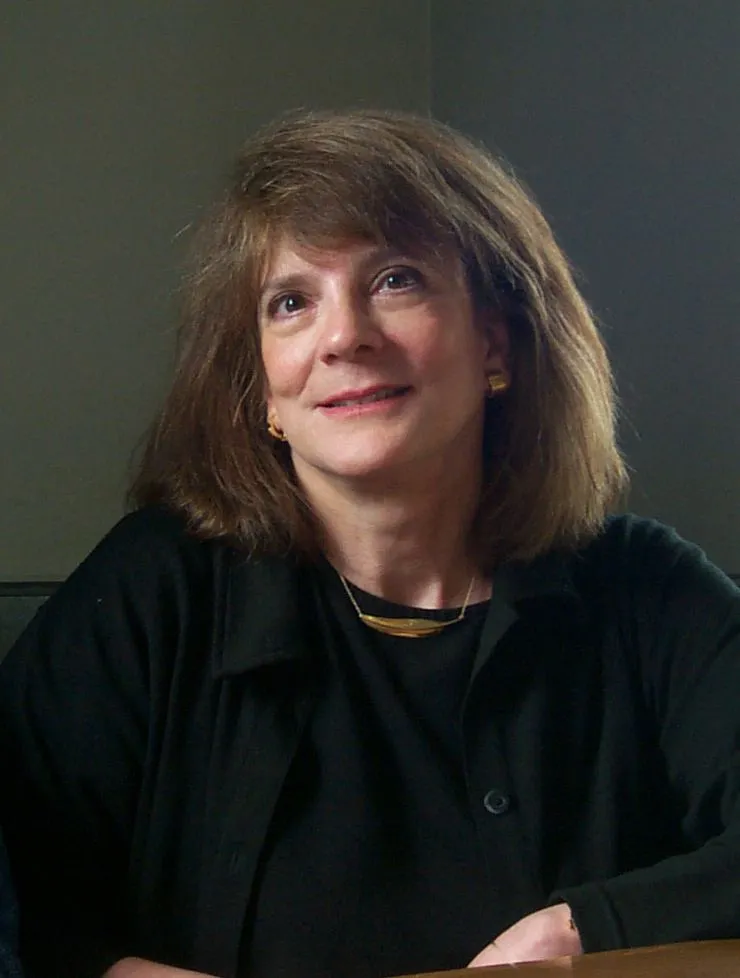 Photo: Elizabeth Loftus, via alchetron.com
In one well-known experiment, participants who had visited Disneyland as children were shown fake advertisements featuring Bugs Bunny at the park. A significant portion later "remembered" meeting Bugs Bunny at Disneyland — a memory that couldn't be real, since Bugs Bunny is a Warner Bros. character and has never appeared there.
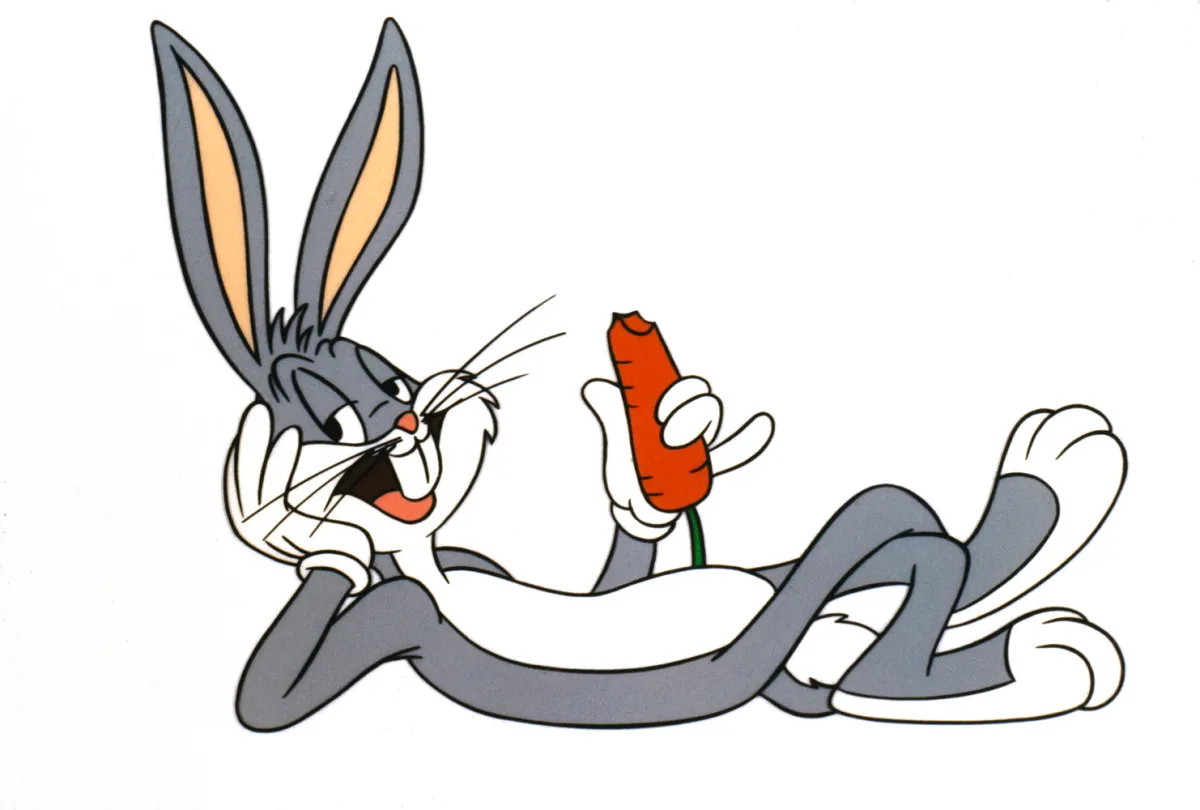 Photo: Bugs Bunny, via facts.net
The brain didn't flag the inconsistency. It accepted the suggestion, filed it, and later retrieved it with full confidence.
More recent research has gone further, successfully implanting entirely fabricated childhood events — getting lost in a shopping mall, being involved in a minor accident — in a meaningful percentage of study participants who came to remember these events in detail after just a few guided conversations.
Why Your Family's Stories Are Part of Your Memory
One of the more practical implications of all this is that your childhood memories are partly a collaborative construction. The stories your parents told at the dinner table, the photos you've seen hundreds of times, the way relatives described specific events — all of this material gets folded into your own recall.
This is why many people are surprised to discover, upon comparing notes with a sibling, that their memories of the same event are significantly different, and that each person is completely confident in their version. Neither is lying. Both are presenting the output of their individual reconstruction process, shaped by different perspectives, different emotional stakes, and different exposure to the family narrative.
Your memory of a childhood vacation isn't wrong, exactly. It's a collaborative work of nonfiction that involved your six-year-old brain, a few dozen subsequent retellings, some family photos, and a lot of gap-filling by a mind that hates loose ends.
Vivid and Accurate Are Not the Same Thing
This is the core revision that neuroscience is asking us to make. The confidence you feel about a memory — the sense that you can almost smell the room, almost hear the voice — is not evidence that the memory is accurate. It's evidence that your brain did a thorough reconstruction job.
That doesn't mean your personal history is meaningless or that you should distrust everything you remember. It means something more nuanced: the story your memory tells you is real as a story, shaped by genuine experience, genuine emotion, and genuine meaning. But it's not a documentary. It's more like a memoir — and every memoir takes liberties.
Knowing that is actually useful. It makes you a more careful witness to your own past, a more generous listener when someone else's memory of a shared event doesn't match yours, and a little less certain about the things you're most sure of — which, if you think about it, is probably a good place to be.