That Relaxed Feeling You Get From the First Drink? Science Says You Were Already There
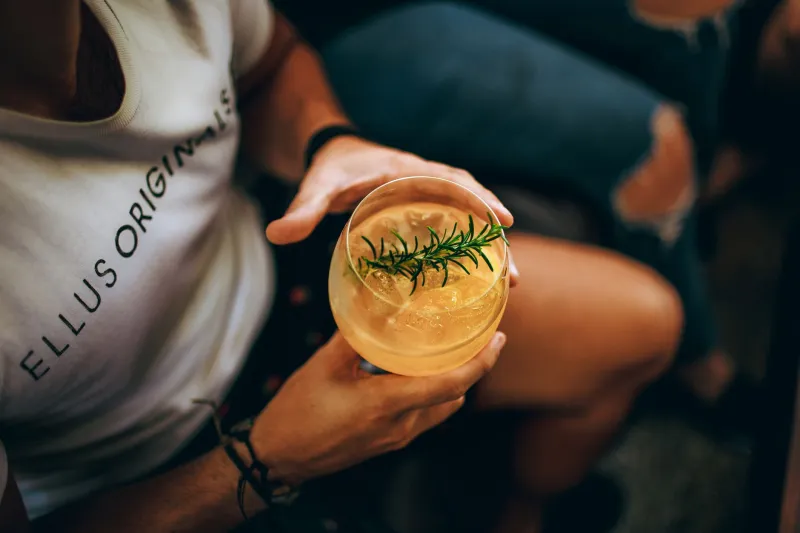
You Ordered a Drink. But Did You Need One?
Picture the last party you attended. Maybe you walked in a little stiff, grabbed a beer or a glass of wine, and within twenty minutes felt like yourself again — looser, funnier, more at ease. It's a familiar rhythm. So familiar, in fact, that most Americans treat it as simple biology: alcohol relaxes you, and relaxed people have more fun.
Except that's not entirely what's happening. A growing body of research suggests that a meaningful chunk of what we experience as alcohol's social magic is actually the expectation of alcohol doing the heavy lifting — and that the drinks industry spent decades carefully building that expectation into the culture.
The Cocktail That Wasn't
One of the more revealing experiments in this space is something researchers call the "balanced placebo design." In these studies, participants are divided into groups: some receive real alcoholic drinks, some receive non-alcoholic drinks that taste identical, and — crucially — some are told they're drinking alcohol when they aren't, and vice versa.
The results are consistently strange. People who believed they were drinking alcohol reported feeling more relaxed, more talkative, and more socially confident — even when their drinks contained no alcohol at all. Meanwhile, some participants who actually consumed alcohol but were told they hadn't showed fewer of the classic loosening-up effects.
What this tells researchers is that a significant portion of alcohol's social reputation is pharmacologically optional. The ritual of holding a drink, the social permission it seems to grant, the expectation that you're about to feel different — these things alone can shift how you carry yourself in a room.
That's not a small footnote. That's the whole story.
How the Industry Wrote Itself Into Every Celebration
None of this happened by accident. The modern association between alcohol and celebration, romance, adulthood, and social success was carefully constructed over the better part of a century.
After Prohibition ended in 1933, the American alcohol industry faced a legitimacy problem. It needed to rebuild not just sales, but the cultural meaning of drinking. What followed was one of the most effective long-term marketing campaigns in consumer history.
By mid-century, beer companies had attached themselves to sports, barbecues, and working-class camaraderie. Wine marketers repositioned their product as a marker of sophistication and romantic evenings. Spirits brands embedded themselves in Hollywood films and prestige advertising. The message, repeated across decades and formats, was consistent: real celebrations include a drink. Adults who are comfortable in their own skin drink. People who are having the good time are holding something.
The drinks industry also had a practical ally: the legal drinking age. In the United States, alcohol is something you earn at 21, which makes it a rite of passage by default. The first legal drink isn't just a drink — it's a symbol of arrival. That emotional freight doesn't come from the ethanol. It was engineered.
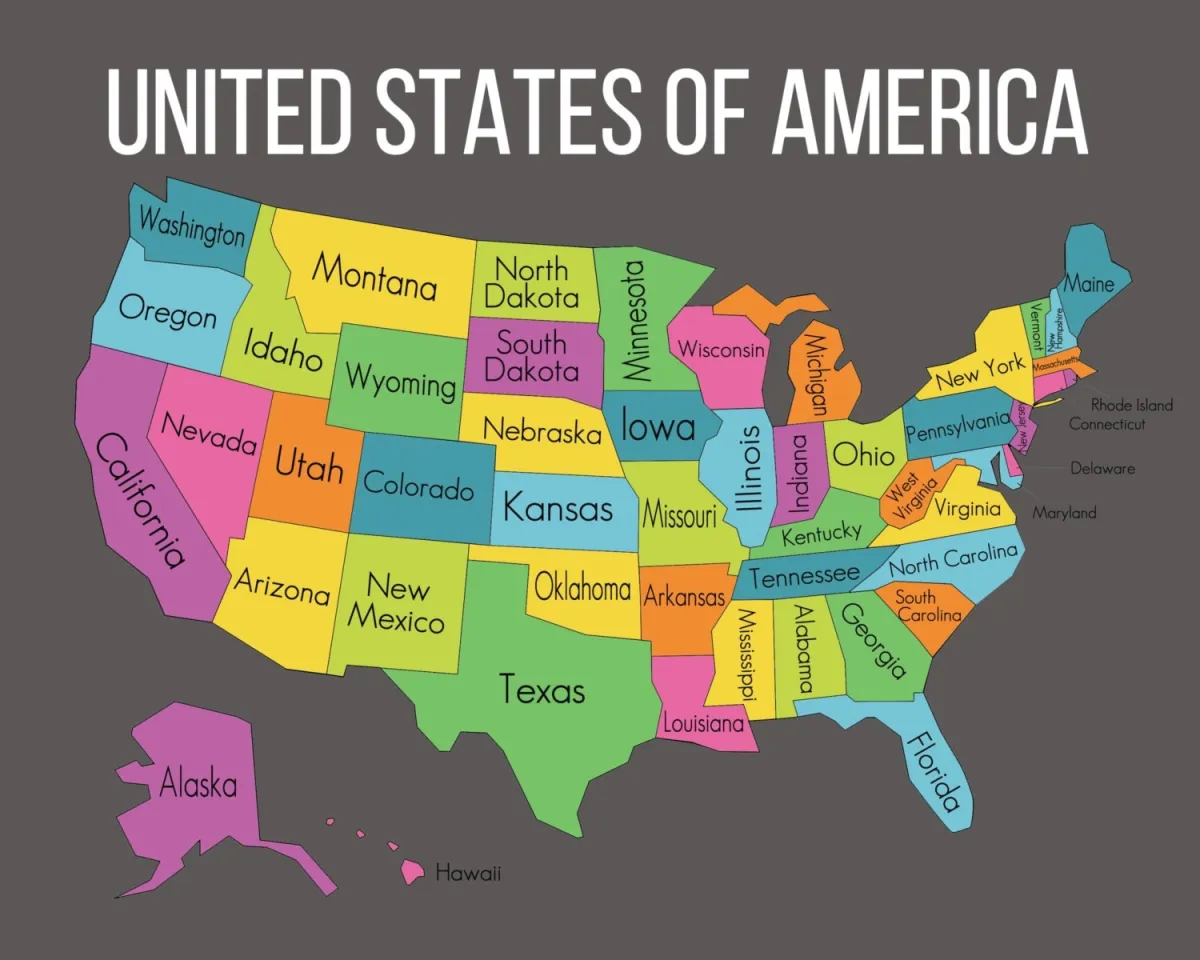 Photo: United States, via img1.etsystatic.com
The Permission Slip in a Glass
Here's where it gets psychologically interesting. For many people, the real function of that first drink at a party isn't chemical — it's social permission.
In American culture, there's an unspoken awkwardness around being openly enthusiastic, goofy, or emotionally available in a crowd of near-strangers. Alcohol provides a socially accepted excuse to be all of those things. "I was a little drunk" is a get-out-of-embarrassment-free card that sobriety doesn't offer.
But that excuse is available the moment you pick up a drink — not after it's metabolized. Which is why the placebo studies work. The drink signals to everyone around you, and to yourself, that the rules are slightly relaxed. Your nervous system responds to that signal, not to the alcohol content.
Researchers who study social anxiety have noted that many people who rely on alcohol to feel comfortable at gatherings aren't experiencing a pharmacological fix. They're experiencing a permission structure — one the industry spent generations building and one that makes the next purchase feel necessary.
What Sober Socializers Already Know
The rise of the "sober curious" movement in the US over the last decade has produced an interesting natural experiment. Millions of people have tried cutting alcohol from social events and reported something unexpected: after a brief adjustment period, they still had fun. Sometimes more fun, because they weren't managing a hangover the next morning.
This isn't an argument that alcohol has no effect — it clearly does, and those effects are well-documented. But the gap between "alcohol makes socializing possible" and "I've been conditioned to believe that" turns out to be much wider than most people assume.
The non-alcoholic drinks market in the US has grown sharply in recent years, and it's not being driven entirely by recovering alcoholics or people with health conditions. A lot of it is ordinary people testing the assumption and finding it softer than expected.
The Takeaway
None of this means you need to stop drinking, or that enjoying a glass of wine at a wedding is somehow false. But it's worth asking a genuinely honest question: when you reach for that drink at the start of a party, what are you actually reaching for?
If the answer is "the taste" or "I just enjoy it," that's completely real. But if the answer is closer to "I need it to feel okay in this room" — it's worth knowing that the need itself may have been carefully placed there, and that the drink is mostly just the key to a door you could probably open yourself.