Why You Can't Just Force Yourself to Be a Morning Person — Your DNA Already Decided
The Moral Weight of Wake-Up Times
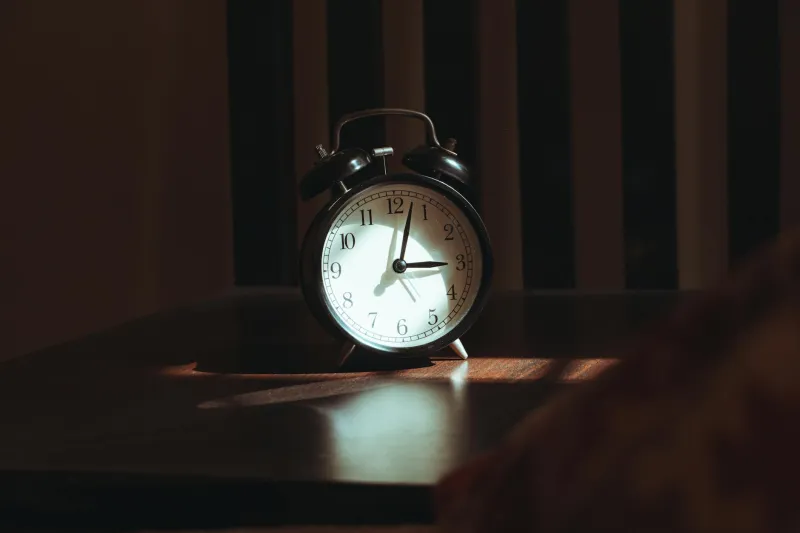
America has strong opinions about sleep schedules. Early risers get labeled as disciplined, productive, and virtuous. Night owls are seen as lazy, undisciplined, or lacking willpower. We've turned biological preference into moral judgment, creating a society where millions of people feel guilty about their natural sleep patterns.
But what if your tendency to wake up early or stay up late isn't a character flaw or personal choice? What if it's as much a part of your biology as your eye color?
The Science of Internal Clocks
Your body runs on what scientists call a circadian rhythm — an internal clock that regulates when you feel alert and when you feel sleepy. This isn't just about when you go to bed; it controls body temperature, hormone production, and dozens of other physiological processes throughout the day.
Researchers have identified specific genes that influence these rhythms. The most studied is called CLOCK, but there are others with names like PER1, PER2, and CRY1. Variations in these genes help determine whether you're naturally inclined to wake up with the sun or burn the midnight oil.
Studies of twins raised apart show that chronotype — your natural sleep-wake preference — is about 50% heritable. That's roughly the same genetic influence as height or intelligence. You inherit your sleep schedule tendencies the same way you inherit your parents' nose or your grandmother's sense of humor.
The Three Types of People
Chronobiology research divides people into three main categories:
Larks make up about 25% of the population. They wake up naturally around 6 AM, feel most alert in the morning, and start winding down by early evening. These are the people who founded America's "early to bed, early to rise" cultural values.
Owls represent another 25% of people. They naturally stay up until midnight or later, don't feel fully awake until late morning, and hit their peak alertness in the evening. In a 9-to-5 world, they're fighting their biology every single day.
The remaining 50% fall somewhere in between, with moderate flexibility in either direction. They can adapt to different schedules more easily than the extreme chronotypes.
How We Built a Society for One Chronotype
The standard American workday wasn't designed by sleep scientists — it was shaped by industrial needs and cultural traditions. The 9-to-5 schedule works perfectly for larks, tolerably for the middle group, and terribly for owls.
This wasn't always the case. Before electric lighting, most people's schedules aligned more closely with sunrise and sunset. Night owls could stay up later during long summer evenings and naturally wake later during short winter days. The agricultural calendar allowed for seasonal variation in daily rhythms.
Industrialization changed everything. Factories needed consistent schedules, and early-rising business owners set those schedules to match their own preferences. By the time we understood chronobiology, the 9-to-5 workday was already entrenched in American culture.
The Hidden Cost of Fighting Your Biology
When night owls force themselves into early-morning schedules, they experience what researchers call "social jet lag" — the difference between their biological time and social time. It's like living in a permanent state of mild jet lag, even without traveling anywhere.
This biological mismatch has real consequences. Studies show that people working against their natural chronotype have higher rates of depression, obesity, and cardiovascular disease. They're more prone to accidents, make more mistakes at work, and report lower life satisfaction.
The economic impact is staggering. Researchers estimate that forcing night owls into early schedules costs the U.S. economy billions of dollars annually in lost productivity, accidents, and healthcare costs.
Your Chronotype Changes Throughout Life
Here's where the story gets even more interesting: your chronotype isn't fixed. It shifts predictably as you age, following patterns that are remarkably consistent across cultures.
Children are natural early risers, which explains why your five-year-old bounces out of bed at 6 AM no matter when you put them to sleep. During adolescence, chronotypes shift dramatically toward night owl patterns. This isn't teenage rebellion — it's biology. The same hormonal changes that trigger puberty also delay the circadian clock.
The shift peaks around age 20 for women and 21 for men. Then, throughout adulthood, chronotypes gradually shift back toward earlier patterns. By age 60, most people have returned to the early-rising patterns of childhood.
This explains the eternal conflict between teenagers and their parents. When mom wants to wake up at 7 AM and her 16-year-old son doesn't feel human until 10 AM, they're not experiencing a clash of values — they're experiencing a clash of biology.
The Cultural Bias Toward Early Rising
American culture has long celebrated early rising as a virtue. Benjamin Franklin's "early to bed and early to rise, makes a man healthy, wealthy, and wise" became a national motto. Successful CEOs who wake up at 4 AM get magazine profiles. We've turned chronotype into a productivity hack.
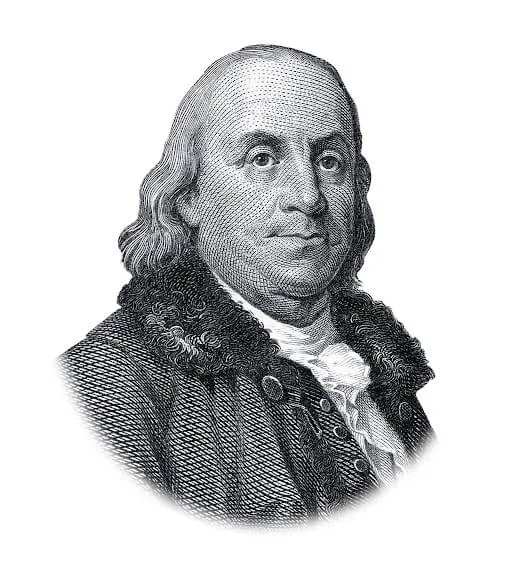 Photo: Benjamin Franklin, via cdn.educba.com
But this cultural bias ignores the contributions of natural night owls. Many creative breakthroughs happen during late-night hours when the world is quiet and the mind can wander. Some of history's greatest thinkers — from Charles Darwin to Marcel Proust — did their best work during hours that would horrify a modern productivity guru.
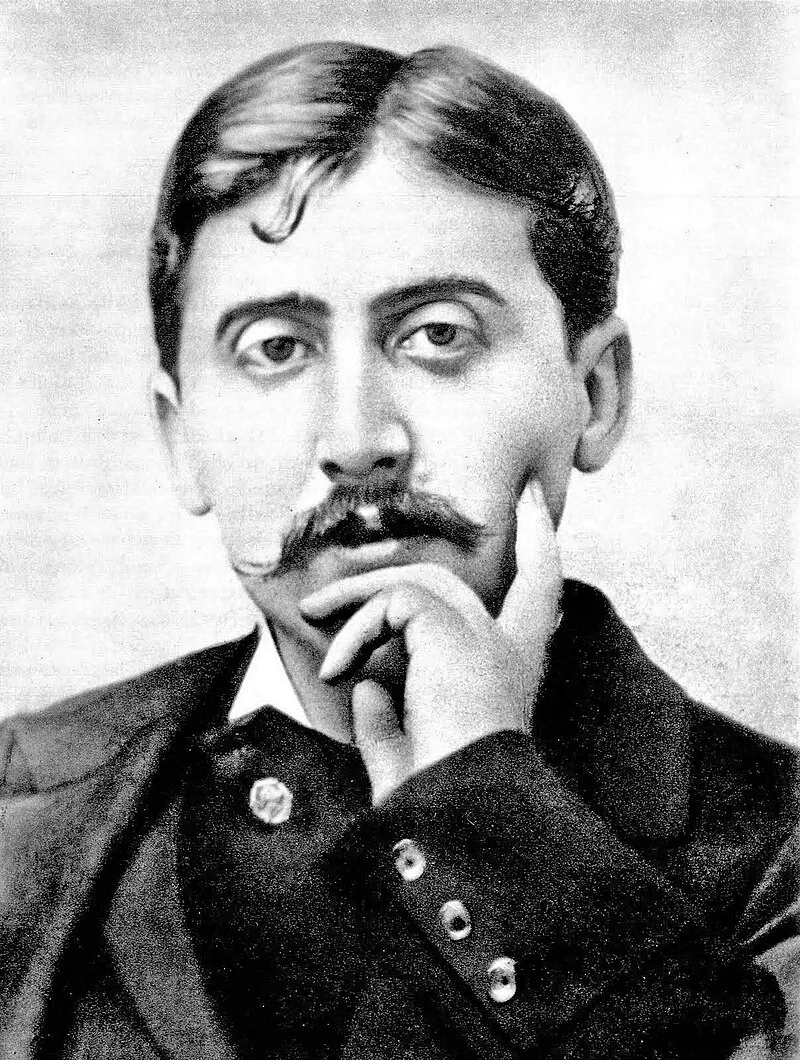 Photo of Marcel Proust, via Wikidata/Wikimedia Commons
 Photo: Charles Darwin, via img.freepik.com
Different chronotypes also serve important evolutionary functions. In ancestral societies, having some people naturally alert during different hours provided better protection against threats and more efficient use of daylight hours.
What This Means for Your Life
Understanding chronotype doesn't mean you should abandon all schedule flexibility, but it does mean you can stop feeling guilty about your natural preferences. If you're a night owl struggling with morning meetings, you're not lazy — you're fighting millions of years of evolution.
Some practical implications:
- If possible, negotiate work schedules that align with your chronotype
- Plan important tasks during your natural peak hours
- Be patient with family members who have different chronotypes
- Stop trying to "fix" your sleep schedule if it's working for your life
The future of work may become more chronotype-friendly. Some companies are experimenting with flexible start times, recognizing that productivity matters more than when someone arrives at the office.
The Wisdom of Working With Your Biology
The tongue map taught us that simple explanations can override complex truths. The chronotype story teaches us something different: that biology often knows better than culture.
Your sleep schedule isn't a moral failing or a personal choice you can simply override through willpower. It's a fundamental part of how your body works, influenced by genes, age, and evolutionary history.
The next time someone suggests you just need more discipline to become a morning person, you can politely explain that you're already working with the discipline of millions of years of human evolution. Your DNA has already made the schedule — society just hasn't caught up yet.