The 20% Tip Standard Was Never About Rewarding Good Service — It's Corporate Cost-Shifting in Disguise
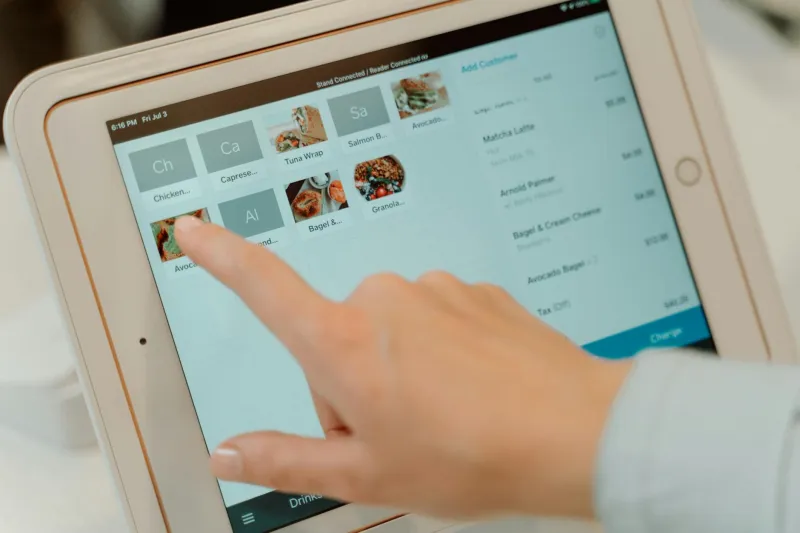
The Screen That Changed Everything
You hand over your card for a $12 sandwich, and suddenly you're staring at a payment screen with three options: 18%, 22%, or 25%. There's a tiny "No Tip" button hidden in the corner, but pressing it feels like announcing to everyone in line that you're cheap.
How did we get here? When did buying coffee require a moral judgment about someone's livelihood?
The answer reveals one of America's most successful corporate magic tricks: convincing customers that paying workers is their job, not the employer's.
The Numbers Game That Keeps Changing
Twenty years ago, 15% was standard. Ten years ago, it was 18%. Today, those payment screens start at 20% and climb from there. This isn't inflation — it's systematic manipulation.
Each generation of payment technology has pushed the baseline higher. First, credit card machines replaced cash transactions, making percentage calculations automatic. Then tablets with preset tip options appeared at counters where tipping never existed before. Now, those same tablets suggest amounts that would have seemed outrageous just a decade ago.
The restaurant industry calls this "tip creep," and it's not accidental. Payment processing companies design these interfaces in consultation with business owners who benefit from higher suggested amounts.
The Great Depression Origins Nobody Talks About
Tipping in America exploded during the 1930s, but not because customers suddenly became more generous. Restaurant owners, struggling through the Depression, discovered they could cut labor costs by paying servers almost nothing and encouraging customers to make up the difference.
What started as a temporary economic survival strategy became permanent business practice. By the 1940s, restaurants had successfully shifted the responsibility for worker wages onto customers while keeping menu prices artificially low.
This wasn't about rewarding exceptional service — it was about avoiding paying minimum wage.
The Psychology of Payment Screen Manipulation
Modern payment interfaces exploit several psychological principles that behavioral economists have identified. The "anchoring effect" makes the highest suggested tip seem reasonable by comparison to an even higher option. The "social proof" principle suggests that most people choose these amounts, creating pressure to conform.
Most manipulative of all: the "loss aversion" effect built into those tiny "No Tip" buttons. Pressing it feels like taking money away from someone, even though you're simply declining to pay extra for a service you've already purchased.
Payment companies A/B test these interfaces constantly, optimizing button placement, color schemes, and suggested amounts to maximize tip percentages. The technology isn't neutral — it's specifically designed to increase the amount you pay.
The Workers Caught in the Middle
Here's the cruel irony: the tipping system that supposedly helps workers often makes their lives more unpredictable and stressful.
Tipped workers face massive income volatility. A server might earn $200 one night and $50 the next, making it nearly impossible to budget for rent, groceries, or emergencies. They're also more vulnerable to customer discrimination, as studies show that Black servers, female servers, and servers perceived as foreign receive smaller tips for identical service.
Meanwhile, restaurant owners enjoy predictable labor costs while their workers absorb all the financial risk of slow nights, difficult customers, and seasonal fluctuations.
The Countries That Figured It Out Differently
In Japan, leaving a tip can be considered insulting — it implies the service wasn't already included in the price. In Australia, servers earn a living wage and tips are rare. In Denmark, restaurant workers make about $20 per hour before any tips.
These aren't socialist experiments; they're different business models. Restaurants in these countries simply include labor costs in their menu prices, like every other industry does.
American visitors to these countries often worry about undertipping, not realizing they're experiencing what normal pricing looks like: the cost of service built into the cost of the product.
The Real Cost of "Cheap" Menu Prices
American restaurants can advertise lower menu prices precisely because they've externalized labor costs onto customers. That $15 burger actually costs $18-20 once you add the expected tip, but the psychological impact of seeing "$15" on the menu keeps customers coming through the door.
This hidden pricing system makes it nearly impossible for restaurants that want to pay living wages to compete. If Restaurant A charges $15 for a burger (plus expected tip) and Restaurant B charges $20 for the same burger (with no tip expected), most customers choose Restaurant A without calculating the true total cost.
The Payment Screen Revolution
Those ubiquitous tip screens represent the latest evolution in cost-shifting technology. They've expanded tipping from traditional service jobs to virtually any customer interaction: coffee shops, food trucks, retail stores, even self-service kiosks.
Businesses love these systems because they can keep wages low while letting technology do the awkward work of asking customers for extra money. The screens make tipping feel automatic and expected, even in situations where it never existed before.
Breaking the Cycle
The next time a payment screen suggests 25% for a takeout order, remember: you're not just deciding how much to tip. You're participating in a labor system that shifts costs from businesses to customers while making workers' incomes less predictable.
The real solution isn't better tipping — it's businesses that include fair wages in their pricing, like virtually every other industry in America. Until then, those payment screens will keep suggesting higher percentages, and customers will keep wondering how buying coffee became so complicated.