Swimming After Eating Never Killed Anyone — The Real Pool Dangers Your Parents Never Mentioned
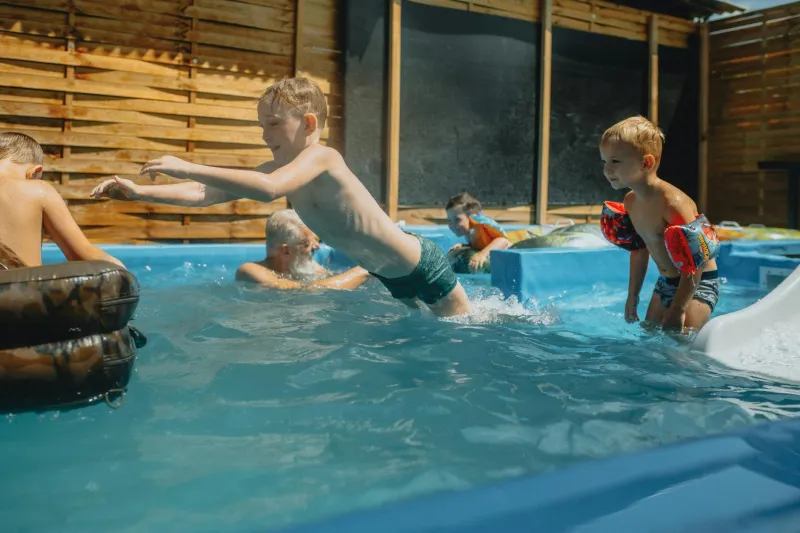
Every American kid knows the drill: eat a sandwich, wait an hour, then you can swim. For decades, this ironclad rule dominated summer afternoons, keeping millions of children planted on pool decks while their food "digested." Parents enforced it religiously, lifeguards nodded in agreement, and entire generations grew up believing that swimming with a full stomach was essentially a death sentence.
Here's what nobody told you: there's virtually no medical evidence supporting this fear. The mythical "stomach cramps" that supposedly drag swimmers to the bottom? They're about as real as quicksand being a major life threat.
The Cramp That Never Comes
The swimming-after-eating myth stems from a misunderstanding of how digestion actually works. When you eat, blood flow does increase to your digestive system — but not enough to significantly impact your swimming ability. Your body is remarkably good at multitasking, even when processing a turkey sandwich.
Real stomach cramps from eating are typically mild and brief. They don't cause the kind of debilitating paralysis that would make you sink like a stone. Professional swimmers often eat before training sessions and competitions without incident. Olympic athletes don't schedule their meals around pool time because the risk simply isn't there.
The American Red Cross, the organization most Americans trust for water safety guidance, doesn't even list "recent meals" among their drowning risk factors. That should tell you something.
What Water Safety Experts Actually Worry About
While parents obsessed over lunch timing, genuine water hazards flew under the radar. Secondary drowning, for instance, affects thousands of Americans annually — yet most families have never heard of it.
Secondary drowning occurs when small amounts of water enter the lungs, causing inflammation hours after leaving the pool. A child can seem perfectly fine after a swimming session, then develop breathing problems that evening. Unlike the mythical post-meal cramps, secondary drowning is documented, measurable, and potentially fatal.
Then there's the chemistry problem. Public pools use chlorine and other chemicals to kill bacteria, but improper balance can cause chemical burns, respiratory irritation, and skin reactions. Pool operators sometimes over-chlorinate or fail to maintain proper pH levels, creating conditions that can harm swimmers within minutes of exposure.
The Invisible Threats in "Clean" Water
Recreational water illnesses (RWIs) represent another genuine concern that got overshadowed by the eating myth. Cryptosporidium, a chlorine-resistant parasite, can survive in properly treated pools for days. It causes severe diarrheal illness and spreads easily through contaminated water.
E. coli outbreaks in swimming facilities sicken hundreds of Americans each year. Norovirus can spread through pool water, hot tubs, and water play areas. These pathogens don't care whether you ate lunch an hour ago — they're opportunistic and persistent.
Even "natural" swimming spots carry risks that dwarf the phantom menace of post-meal swimming. Lakes and rivers can harbor brain-eating amoebas, particularly in warm, stagnant water. These microscopic organisms are rare but genuinely deadly, unlike the imaginary cramps that kept kids out of pools.
Why the Wrong Lesson Stuck
The eating-before-swimming myth persisted because it felt logical and gave parents a sense of control. Waiting an hour is simple, measurable, and seemingly scientific. It transformed an abstract fear — "something bad might happen in the water" — into concrete action.
Real water safety is messier and less intuitive. You can't see cryptosporidium or detect improper pool chemistry without testing equipment. Secondary drowning symptoms might not appear until hours later, making the connection less obvious.
The myth also aligned with broader cultural anxieties about children's safety. Post-war American parents, increasingly focused on protecting their kids from perceived dangers, embraced rules that promised to prevent tragedy through simple compliance.
Reframing Water Safety
Authentic water safety focuses on supervision, swimming ability, and environmental awareness. The CDC identifies lack of supervision as the leading factor in childhood drowning, not meal timing.
Parents should watch for signs of secondary drowning: persistent coughing, difficulty breathing, or unusual fatigue after swimming. They should verify that public pools maintain proper chemical levels and avoid crowded facilities with questionable maintenance.
Teaching children to recognize dangerous water conditions — strong currents, murky visibility, or unusual algae growth — provides more protection than any arbitrary waiting period.
The Real Takeaway
The hour-long post-meal waiting period represents a fascinating case of misplaced parental energy. While families dutifully counted down minutes after lunch, genuine water hazards went unrecognized and unaddressed.
This doesn't mean pools are death traps — recreational swimming remains relatively safe when proper precautions are taken. But those precautions should focus on actual risks: supervision, water quality, and recognizing symptoms of water-related illness.
So go ahead and swim after eating. Your stomach can handle it. Just keep an eye out for the real dangers that nobody warned you about.