The Reading Warning That Scared Millions of Kids Was Based on Victorian Fears, Not Eye Science
The Reading Warning That Scared Millions of Kids Was Based on Victorian Fears, Not Eye Science
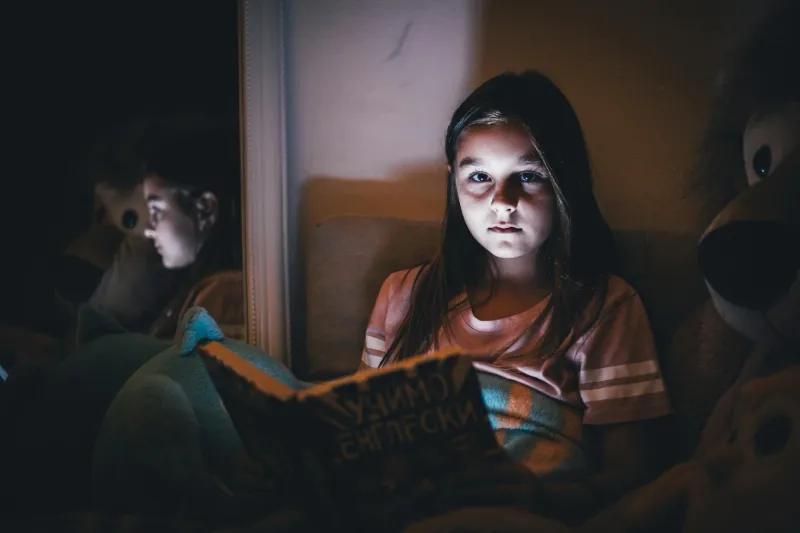
Every child has heard it: "Don't read in the dark—you'll ruin your eyes!" This warning has echoed through living rooms for generations, causing millions of kids to squint under desk lamps and beg for brighter bulbs. Parents deliver this advice with absolute certainty, often recalling their own childhood scoldings about proper lighting.
But here's what might surprise you: optometrists and ophthalmologists have never found evidence that reading in dim light causes permanent eye damage.
What Eye Doctors Actually Say About Low-Light Reading
Dr. Rachel Bishop of the National Eye Institute puts it simply: "There is no evidence that reading in dim light damages your eyes." The American Academy of Ophthalmology echoes this position, stating that while reading in poor lighting might cause temporary eye strain, it won't harm your vision long-term.
The confusion comes from mixing up temporary discomfort with permanent damage. When you read in dim light, your eyes work harder to focus, which can cause:
- Tired, achy eyes
- Temporary blurred vision
- Headaches
- Dry eyes from reduced blinking
These symptoms feel real and uncomfortable—but they're temporary. Once you rest your eyes or improve the lighting, the discomfort disappears completely. It's similar to how your legs might ache after a long walk, but the walking itself doesn't damage your muscles.
The Victorian Origins of a Modern Myth
This belief didn't emerge from medical research—it grew from 19th-century anxieties about modern life. During the Industrial Revolution, as gas lamps and early electric lighting became common, Victorian-era doctors worried about the effects of artificial illumination on human health.
Dr. Hermann Cohn, a German ophthalmologist, published influential studies in the 1880s claiming that poor classroom lighting was causing widespread myopia in schoolchildren. His work, while groundbreaking for its time, was based on limited understanding of vision development and relied heavily on correlation rather than causation.
These early theories gained traction because they seemed logical: if bright light helps you see clearly, then dim light must be harmful. This reasoning felt so intuitive that it became accepted wisdom, passed down through generations without rigorous testing.
Why the Myth Feels So Convincing
The low-light reading warning persists because it passes what researchers call the "face validity" test—it sounds reasonable based on everyday experience. When you strain to read in poor lighting, your eyes genuinely feel tired and uncomfortable. This immediate feedback seems to confirm that something harmful is happening.
Parents also have evolutionary reasons to worry about their children's vision. Throughout human history, good eyesight meant survival, so concerns about eye health trigger deep protective instincts. Warning children about dim light feels like responsible parenting, even without scientific backing.
The myth also benefits from what psychologists call "confirmation bias." People who develop vision problems later in life might remember reading in poor light as children and assume a connection, even though correlation doesn't equal causation.
What Actually Affects Your Vision
While dim light reading won't damage your eyes, several factors do influence vision health:
Genetics: Your family history is the strongest predictor of conditions like myopia, glaucoma, and macular degeneration.
Age: Natural changes in the lens and retina affect vision over time, regardless of reading habits.
Screen time: Extended digital device use can cause "computer vision syndrome," though this is related to reduced blinking and blue light exposure, not lighting levels.
UV exposure: Unprotected sun exposure can contribute to cataracts and macular degeneration over time.
Medical conditions: Diabetes, high blood pressure, and autoimmune disorders can affect eye health.
The Real Reason for Good Lighting
Just because dim light reading won't damage your eyes doesn't mean you should embrace it. Good lighting serves important purposes:
- Comfort: Adequate light reduces eye strain and fatigue
- Performance: You read faster and comprehend better with proper illumination
- Safety: Good lighting prevents accidents and falls
- Enjoyment: Reading is more pleasant when you're not squinting
Optometrists recommend lighting that's bright enough to read comfortably without straining, but the exact level varies by individual preference and age.
Why Parents Keep Passing This Down
The persistence of this myth reflects how health advice travels through families. Parents remember their own childhood warnings and assume they must be based on medical knowledge. The advice feels harmless—after all, good lighting does make reading more comfortable—so there's little incentive to question it.
Media representations also reinforce the belief. Movies and TV shows regularly feature characters warning about reading in the dark, treating it as established medical fact rather than persistent folklore.
The Bottom Line
Your childhood fears about reading under the covers with a flashlight were unfounded. While your parents meant well, their warnings were based on Victorian-era anxieties rather than modern eye science.
This doesn't mean you should abandon good lighting habits—comfortable illumination makes reading more enjoyable and productive. But you can finally stop worrying that those late-night reading sessions damaged your vision. Your eyes are more resilient than generations of parents believed, and the real threats to vision health are quite different from what most people imagine.
The next time you hear someone warn a child about reading in dim light, you'll know the real story: it's one of medicine's most persistent myths, kept alive by well-meaning parents and our intuitive but incorrect assumptions about how vision works.