The Posture Police Were Wrong — Your Spine Isn't Meant to Stay Frozen in Place

The Myth That Made Millions Miserable
If you grew up hearing "sit up straight" every five minutes, you're not alone. For generations, parents, teachers, and well-meaning relatives have treated slouching like a moral failing and ramrod-straight posture as the gold standard for spinal health. Walk into any office today and you'll see the legacy of this thinking: ergonomic chairs designed to lock you into the "correct" position, standing desks that promise salvation from slouching, and millions of people forcing their spines into what feels like an uncomfortable straightjacket.
But here's what might surprise you: the rigid posture ideal that's been drilled into our collective consciousness has almost nothing to do with what's actually good for your spine.
Where the Posture Obsession Really Came From
The "perfect posture" standard didn't emerge from medical research or biomechanics labs. It came from two very different sources: military discipline and Victorian social expectations.
In military training, rigid posture serves a clear purpose that has nothing to do with spinal health. Standing at attention communicates discipline, uniformity, and readiness to follow orders. When thousands of soldiers stand in formation, perfect alignment creates an impressive visual display of coordination and control. This military bearing became associated with strength, character, and moral virtue.
Meanwhile, Victorian society turned posture into a marker of social class and moral character. Upper-class women wore corsets that forced their spines into unnatural positions, while finishing schools taught that proper bearing separated the refined from the common. Slouching wasn't just poor form — it was a sign of weak character and low breeding.
 Photo: Victorian society, via storage.victoriansociety.org.uk
These two influences merged into a cultural belief that became so ingrained we stopped questioning whether it was actually true.
What Your Spine Actually Wants
Modern biomechanics research tells a completely different story. Your spine isn't a rigid pole that's supposed to stay locked in one position. It's a dynamic, flexible structure designed for movement.
Dr. Stuart McGill, a leading spine biomechanics researcher, has spent decades studying what actually causes back pain and injury. His findings consistently show that prolonged static postures — even "perfect" ones — create more problems than movement and position variation.
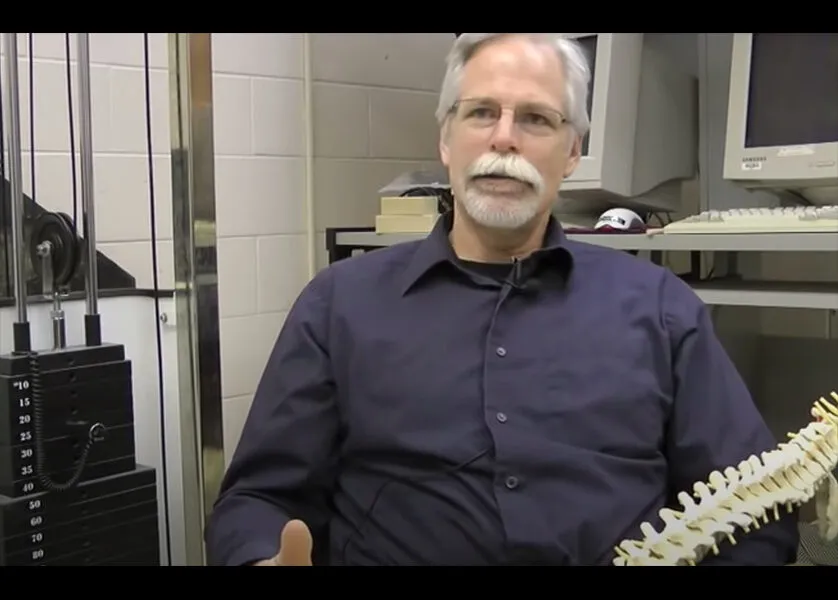 Photo: Dr. Stuart McGill, via www.backfitpro.com
Your spinal discs need movement to stay healthy. They don't have their own blood supply, so they rely on the pumping action of movement to get nutrients and flush out waste products. When you lock yourself into any single position for hours, even the most "correct" one, you're essentially starving your discs of what they need to function.
The research is clear: there's no single "perfect" posture that works for everyone, and trying to maintain rigid positioning for extended periods often creates the very problems it's supposed to prevent.
The Real Problem With Posture Advice
The biggest issue with traditional posture advice isn't that it's completely wrong — it's that it's incomplete and oversimplified. Yes, certain positions can create stress on your spine. But the solution isn't to force yourself into a different rigid position. It's to move regularly and vary your positioning throughout the day.
Many people who follow strict posture rules end up with what researchers call "postural anxiety" — a constant worry about whether they're sitting or standing correctly. This mental stress often translates into physical tension, creating the muscle tightness and discomfort that good posture was supposed to prevent.
The ergonomic chair industry has built a multi-billion dollar business around the idea that the right chair will solve your posture problems. But studies consistently show that expensive ergonomic equipment doesn't reduce back pain or injury rates. Movement and variation do.
What Actually Helps Your Spine
Instead of chasing perfect posture, focus on what spine researchers call "postural variability." Change positions frequently. If you're sitting, stand up and walk around every 30 minutes. If you're standing, shift your weight, bend your knees, or lean against something.
Pay attention to what feels comfortable for your body rather than forcing yourself into a position that looks right. Your natural standing and sitting positions are usually closer to optimal than the rigid alternatives you've been taught to maintain.
Strength and flexibility matter more than perfect alignment. Regular exercise that builds core strength and maintains spinal mobility does more for back health than any amount of posture monitoring.
The Takeaway That Changes Everything
Your spine is designed to move, not to hold military formation. The next time someone tells you to "sit up straight," remember that this advice comes from parade grounds and Victorian parlors, not medical research.
Good spinal health isn't about finding the perfect position and freezing there. It's about moving regularly, staying strong and flexible, and listening to your body instead of forcing it into someone else's idea of proper form. Your back will thank you for the freedom to do what it was actually designed to do: move.