The Poison Ivy Myth That Fooled Three Generations of Parents
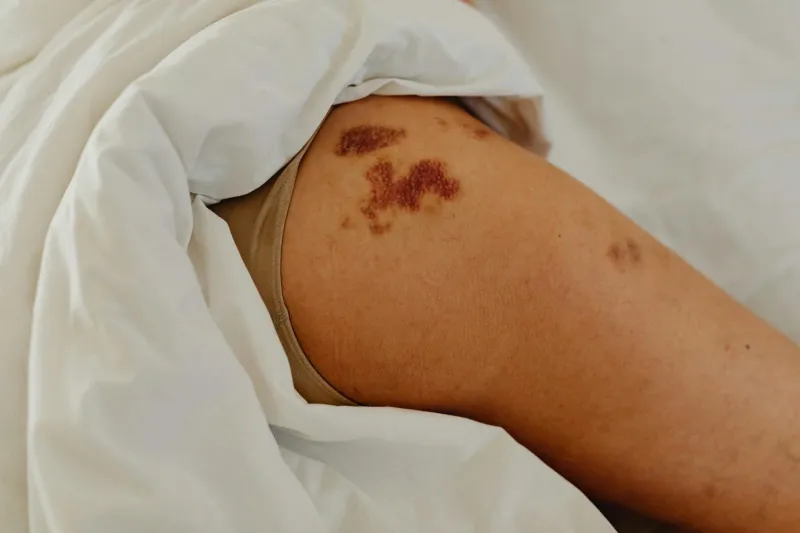
Every summer, millions of American parents deliver the same urgent warning to kids with poison ivy: "Don't scratch it — you'll spread it everywhere!" They'll quarantine the affected child's clothes, scrub down surfaces, and treat the rash like a contagious disease that could infect the whole family.
But here's what dermatologists have known for decades: poison ivy rashes can't spread. Not from scratching, not from contact with blisters, and definitely not from person to person. The "spreading" that everyone fears is actually something completely different.
The Visual Illusion That Created Medical Folklore
The poison ivy spreading myth persists because it's based on a perfectly logical observation that happens to be wrong. People notice new patches of rash appearing days after the initial outbreak and assume the original site "spread" to new areas.
What's actually happening is much more interesting. Poison ivy reactions are caused by urushiol, an oil from the plant that binds to skin proteins and triggers an immune response. Different parts of your body received different amounts of this oil during the original exposure, and they react on different timelines.
Areas that got a heavy dose of urushiol — like where you directly brushed against leaves — develop rashes within 12-24 hours. Spots that received trace amounts through indirect contact might not react for 2-5 days. This staggered timeline creates the illusion that the rash is "spreading" when it's actually just multiple reactions from the same original exposure.
How Doctors Got It Wrong for Decades
The spreading myth wasn't just perpetuated by worried parents — it was taught in medical schools and repeated by healthcare providers well into the 1980s. The visual evidence seemed so compelling that few questioned the underlying mechanism.
Medical textbooks from the 1960s and 1970s routinely warned about "auto-inoculation" from poison ivy blisters, advising patients to keep affected areas covered and avoid touching the rash. Some doctors even prescribed isolation procedures similar to those used for actual contagious skin conditions.
It wasn't until researchers began studying urushiol chemistry in detail that the truth emerged. The allergic reaction destroys the oil that causes it, making re-exposure from the same rash impossible. By the time blisters appear, there's no active urushiol left to spread.
The Real Reason Some People Never Get Poison Ivy
While debunking the spreading myth, scientists also discovered why poison ivy affects people so differently. About 15-25% of the population appears completely immune to urushiol, while others react catastrophically to minimal exposure.
This isn't actually about immunity — it's about immune system sensitivity. People who "never get poison ivy" simply have immune systems that don't recognize urushiol as a threat. Their skin processes the oil without mounting an inflammatory response.
Interestingly, this apparent immunity can disappear over time. Repeated exposures can sensitize previously unaffected people, which explains why some adults suddenly develop poison ivy reactions after years of hiking through contaminated areas without problems.
Why Scratching Gets Such a Bad Reputation
If scratching can't spread poison ivy, why do parents and doctors warn against it so urgently? The answer has nothing to do with urushiol and everything to do with bacteria.
Scratching poison ivy blisters can introduce bacteria from your fingernails into open wounds, potentially causing secondary infections that are much more serious than the original rash. These bacterial infections can spread, require antibiotic treatment, and leave permanent scars.
So while scratching won't give you more poison ivy, it can give you something worse. The advice to avoid scratching is medically sound — just for completely different reasons than most people believe.
The Contamination That Actually Matters
While person-to-person transmission is impossible, urushiol contamination is very real and much more persistent than most people realize. The oil can remain active on clothing, tools, pet fur, and other surfaces for months or even years.
This explains why some people seem to get poison ivy "from nowhere" — they're actually reacting to urushiol that transferred from contaminated objects. A hiking boot that brushed against poison ivy in spring can still cause reactions in fall if it hasn't been properly cleaned.
The key insight: it's not the rash that spreads, but the original plant oil that can linger in unexpected places.
What This Means for Treatment
Understanding the real mechanism behind poison ivy changes how you should think about treatment and prevention. Once a rash appears, the focus should shift from preventing spread (impossible) to managing inflammation and preventing secondary infection.
This means:
- Cool compresses and anti-inflammatory medications for symptom relief
- Keeping fingernails short to minimize scratching damage
- Proper wound care if blisters break open
- Washing contaminated items to prevent re-exposure
The elaborate quarantine procedures that many families implement — separate laundry loads, disinfecting surfaces, avoiding the affected person — are unnecessary theater that doesn't address the real risks.
Breaking the Cycle of Misinformation
The poison ivy spreading myth has remarkable staying power because it gets reinforced every summer when new rashes appear to "spread" across people's bodies. Without understanding the delayed reaction timeline, the visual evidence seems conclusive.
But once you know what's actually happening under the skin, the mystery disappears. Those new patches aren't proof that poison ivy spreads — they're evidence of how cleverly urushiol works, creating multiple reactions from a single exposure.
Understanding this difference doesn't just correct a medical misconception — it reduces unnecessary anxiety during an already uncomfortable experience. Poison ivy is unpleasant enough without the added stress of believing you're contagious.