The 20-Second Secret: Why Your Hand-Washing Routine Probably Isn't Working
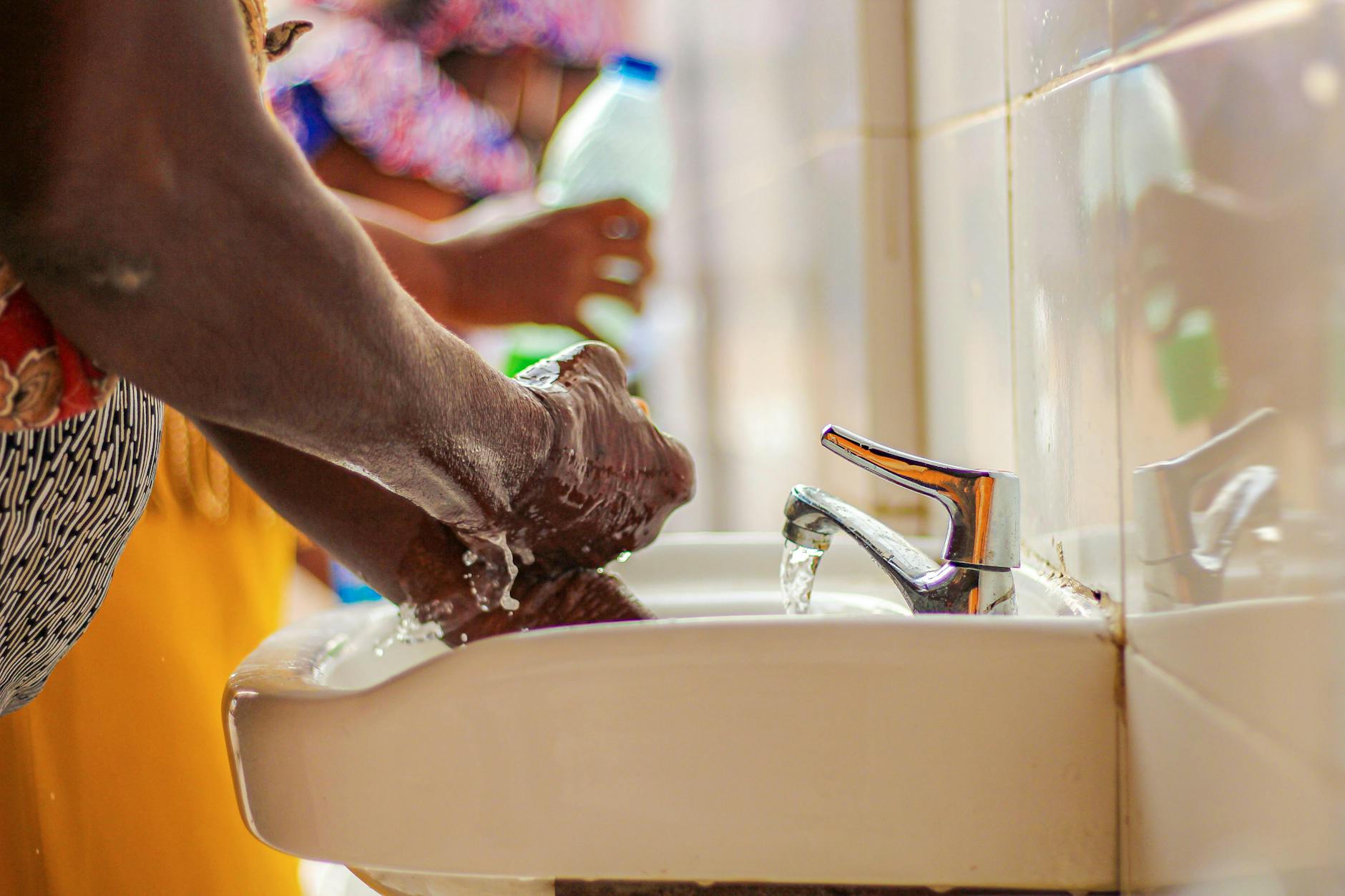
The 20-Second Secret: Why Your Hand-Washing Routine Probably Isn't Working
Picture the average American at a restroom sink. Pump of soap. Quick scrub. Rinse. Done — maybe ten seconds total, if that. It feels like enough. It looks like enough. And for most of our lives, nobody told us otherwise.
But here's the thing: the way most of us wash our hands is probably not doing the job we think it is. And the part we've been told matters most — the type of soap — turns out to be almost beside the point.
What Hand-Washing Research Actually Shows
Studies on hand hygiene consistently point to two factors that determine whether washing your hands actually removes pathogens: duration and technique. Not the brand of soap. Not whether it says "antibacterial" on the label. Just how long you scrub and whether you're covering all the surfaces that matter.
The CDC recommends scrubbing for at least 20 seconds — roughly the time it takes to hum "Happy Birthday" twice. That number isn't arbitrary. Research shows that washing for fewer than 10 seconds leaves a significant portion of bacteria on the hands, while scrubbing closer to 20–30 seconds produces meaningfully better results. The friction itself is what dislodges and removes microorganisms. Soap helps lift oils and debris, but it's the mechanical action that does most of the heavy lifting.
Most people, according to observational studies, wash for somewhere between 6 and 10 seconds. That's less than half the recommended time — and it shows in the results.
The Antibacterial Soap Myth
For decades, antibacterial soaps have been marketed as the superior choice for health-conscious households. The implicit message is clear: regular soap cleans, but antibacterial soap protects. Millions of Americans have paid a premium for that promise.
The FDA doesn't share the enthusiasm. In 2016, the agency banned 19 active ingredients commonly found in antibacterial soaps — including triclosan, one of the most widely used — after manufacturers failed to demonstrate that their products were either more effective or safer than plain soap and water. The ruling covered consumer wash-off products specifically, and it was a significant moment in public health policy that most people never heard about.
The reason antibacterial additives don't offer a real-world advantage comes down to contact time. Triclosan and similar agents need to remain on the skin for several minutes to meaningfully disrupt bacterial cell function. When you rinse your hands after 20 seconds, those ingredients barely have time to do anything. What's actually removing the germs is still just the friction, the water, and the surfactants in the soap — the same basic chemistry in every bar of Ivory or bottle of store-brand hand soap.
The Spots Most People Miss
Technique matters in another way that rarely gets discussed: coverage. Most people scrub their palms reasonably well and call it done. But studies using fluorescent lotion to simulate contamination — then checking what gets cleaned — consistently show the same neglected zones: the backs of the hands, between the fingers, the thumbs, and the area under and around the fingernails.
Those fingertip and nail areas are particularly important. They're the parts of your hands most likely to come into contact with your face, your food, and other people. They're also the parts most people wash least thoroughly.
Proper technique, according to CDC guidance, involves five distinct steps beyond just applying soap: lathering the backs of your hands, scrubbing between your fingers, cleaning under your nails, rinsing completely, and drying with a clean towel. The drying step is also more important than it sounds — wet hands transfer bacteria more readily than dry ones.
How a Nuanced Habit Became an Empty Ritual
So how did so many people end up with a hand-washing routine that doesn't quite work? Part of the answer is how public health messaging gets simplified as it travels from research to recommendation to everyday habit.
The "wash your hands" message has been so thoroughly absorbed into American culture that the act itself has become almost symbolic — a ritual gesture toward cleanliness rather than a deliberate hygiene practice. We do it because we're supposed to, not because we've thought carefully about what it's actually accomplishing.
The antibacterial soap industry didn't help. Decades of marketing that emphasized what kind of soap to use effectively shifted attention away from how to wash — which is where the real difference is made. When people believe the product is doing the work, they tend to invest less attention in their own technique.
And the 20-second rule, while accurate, never really came with an explanation of why. Telling someone to hum "Happy Birthday" twice is memorable, but it doesn't communicate that the duration is tied to the mechanical process of dislodging pathogens. Without that context, it's easy to dismiss as an arbitrary guideline.
The Takeaway
You don't need to overhaul your entire bathroom routine. The fix here is genuinely simple: slow down, cover more ground, and stop paying extra for antibacterial labels. Plain soap, 20 seconds of real scrubbing across all surfaces of your hands, and a thorough rinse — that's the whole formula. It's not complicated. It's just not what most of us were ever taught to actually do.