Your Sacred Eight-Hour Sleep Goal Comes From Factory Workers, Not Sleep Labs
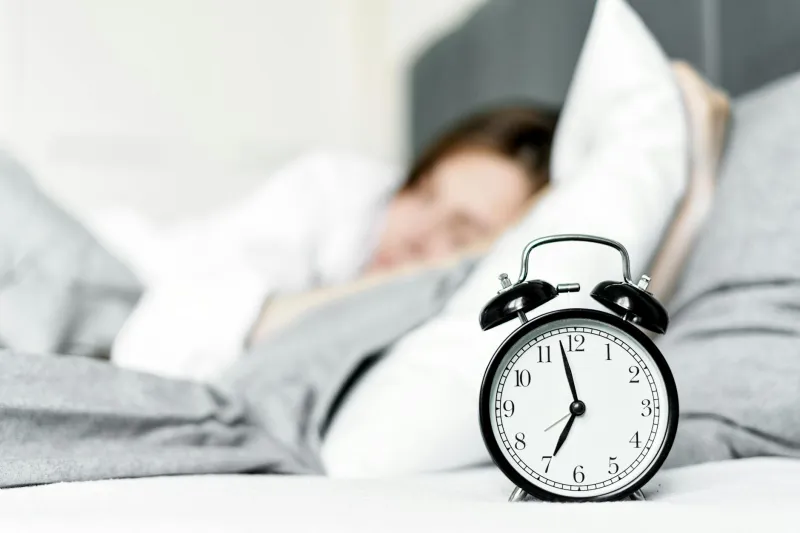
The Number Everyone Knows by Heart
Ask anyone how much sleep they need, and you'll get the same answer: eight hours. It's printed on wellness articles, programmed into sleep apps, and repeated by doctors everywhere. Most people assume this magic number came from decades of careful scientific research into human sleep patterns.
They'd be wrong.
The eight-hour sleep recommendation has almost nothing to do with sleep science and everything to do with factory schedules from the Industrial Revolution.
When Workers Demanded Time to Sleep
The eight-hour sleep target traces back to the 1800s labor movement's fight for the "eight-hour day." Their slogan wasn't about sleep quality or REM cycles—it was "Eight hours for work, eight hours for rest, eight hours for what you will."
Labor activists were fighting against 12- to 16-hour workdays that left no time for family, leisure, or basic human needs. The "eight hours for rest" wasn't specifically about sleep—it covered all non-work, non-leisure time, including meals, commuting, and household tasks.
Somewhere along the way, that "eight hours for rest" got simplified into "eight hours of sleep," and the number stuck. By the early 1900s, health experts started repeating it without questioning where it came from.
What Sleep Scientists Actually Discovered
When researchers finally started studying sleep in controlled environments, they found something surprising: individual sleep needs vary dramatically. The National Sleep Foundation's current recommendations reflect this reality—they suggest 7-9 hours for most adults, acknowledging that some people function perfectly on six hours while others need ten.
Dr. Matthew Walker, a leading sleep researcher at UC Berkeley, points out that sleep needs are as individual as height or shoe size. Some people are natural "short sleepers" who feel refreshed after six hours, while others are "long sleepers" who need nine or ten hours to function optimally.
More importantly, sleep quality matters more than hitting an exact number. Someone who gets seven hours of deep, uninterrupted sleep will feel better than someone who spends nine restless hours tossing and turning.
The Cycle That Really Matters
Sleep researchers focus on something the eight-hour rule completely ignores: sleep cycles. Your brain moves through different stages of sleep in roughly 90-minute cycles, alternating between light sleep, deep sleep, and REM sleep.
Waking up in the middle of deep sleep will leave you groggy regardless of how many total hours you logged. This is why you sometimes feel more refreshed after six hours than after eight—you might have woken up at the end of a complete cycle instead of in the middle of one.
Some sleep experts suggest thinking in terms of cycles rather than hours. Five complete cycles (about 7.5 hours) or six cycles (about 9 hours) often feel better than exactly eight hours, which might cut a cycle short.
Why the Eight-Hour Myth Won't Die
The eight-hour target persists because it's simple and feels scientific. People want concrete rules for health, and "listen to your body" feels less actionable than "get eight hours."
The rise of sleep tracking technology has actually made this worse. Fitness trackers and phone apps gamify sleep, giving you a score based on how close you got to eight hours. This creates anxiety around a number that was never based on your individual biology in the first place.
Social media compounds the problem. People post screenshots of their "perfect" eight-hour nights, creating pressure to hit that target even when your body might need something different.
What Your Body Actually Needs
Instead of chasing eight hours, sleep experts recommend paying attention to how you feel and function. Good sleep should leave you feeling refreshed within 15-30 minutes of waking up. You shouldn't need multiple cups of coffee to feel human, and you shouldn't be falling asleep during quiet activities.
If you're consistently getting seven hours and feeling great, you don't need to force yourself to stay in bed longer. If you need nine hours to feel your best, that's not laziness—that's your biology.
The timing of your sleep matters too. Your circadian rhythm, which regulates when you naturally feel sleepy and alert, varies from person to person. Some people are naturally early risers who feel best going to bed at 9 PM, while others are night owls who do their best work after 10 PM.
The Real Sleep Revolution
The most helpful shift in sleep science has been moving away from one-size-fits-all recommendations toward personalized approaches. Instead of asking "Am I getting eight hours?" the better questions are: "Do I feel rested?" "Can I focus during the day?" "Am I falling asleep easily?"
Some people discover they're short sleepers who feel amazing on six hours. Others realize they're long sleepers who need nine hours to function optimally. Both are completely normal.
The Bottom Line
The eight-hour sleep target that dominates health advice came from 19th-century factory workers, not modern sleep labs. While it's not a terrible guideline, it's not the scientific mandate most people think it is.
Your actual sleep needs depend on your genetics, age, activity level, and dozens of other individual factors. Instead of stressing about hitting an arbitrary number invented by labor activists 150 years ago, focus on how you feel and function. That's the sleep advice science actually supports.