The UTI Home Remedy That Built a $400 Million Industry on Shaky Science
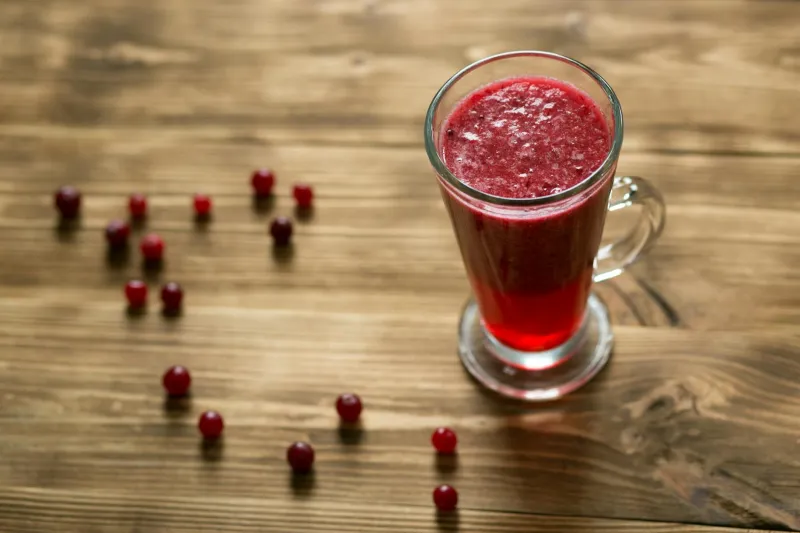
Walk into any American pharmacy during a UTI scare, and you'll witness a familiar ritual: someone loading up on cranberry juice, convinced they're fighting infection with nature's own antibiotic. This bright red remedy has become so embedded in our collective health wisdom that even doctors sometimes shrug and say "it can't hurt."
But the cranberry-UTI connection rests on surprisingly thin scientific ground — and a marketing campaign that turned preliminary lab results into a billion-dollar belief system.
The Science That Started It All
The cranberry story begins in the 1980s with legitimate research. Scientists discovered that cranberries contain compounds called proanthocyanidins, which seemed to prevent certain bacteria from sticking to urinary tract walls in laboratory settings. The theory made biological sense: if bacteria can't stick, they get flushed out naturally.
This laboratory finding sparked decades of studies, but the results were far from the slam dunk cranberry marketers would have you believe. A comprehensive 2012 review of 24 studies involving over 4,400 participants found that cranberry products reduced UTI recurrence by just 38% — and only in specific populations like young women with recurrent infections.
More importantly, most studies showed no significant benefit for treating active UTIs, the exact scenario that sends people racing to the juice aisle.
When Marketing Meets Medicine
The cranberry industry didn't wait for definitive scientific consensus. Ocean Spray, which controls about 70% of the North American cranberry market, funded numerous studies and aggressively promoted the health benefits angle starting in the 1990s. The company couldn't legally claim their juice cured UTIs, but they could fund research and let health bloggers, wellness websites, and word-of-mouth do the heavy lifting.
 Photo: North America, via www.freeworldmaps.net
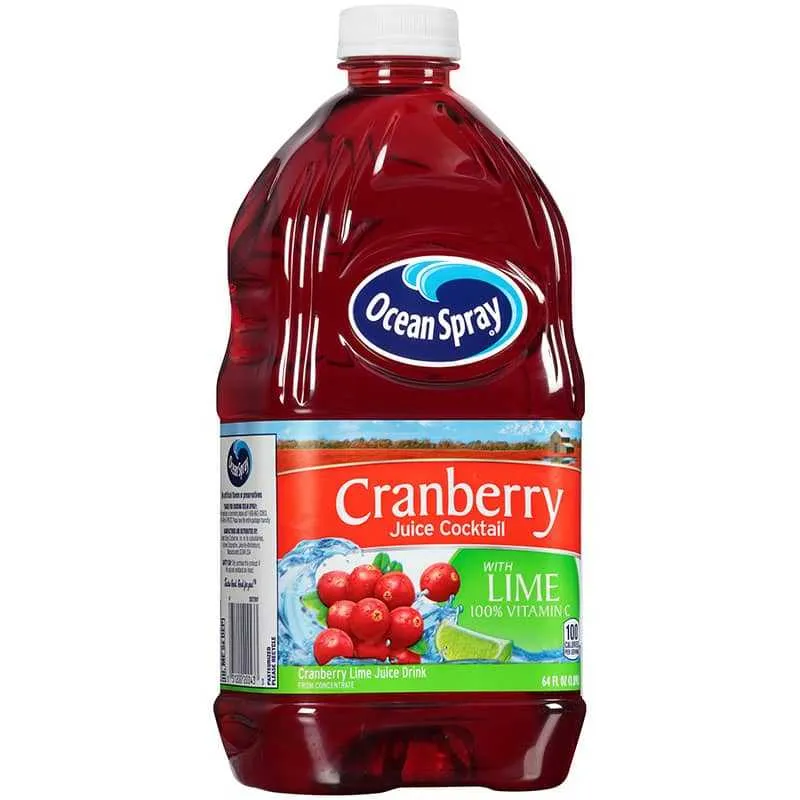 Photo: Ocean Spray, via www.sxmleshalles.com
This created a perfect storm: preliminary science, industry funding, and a public hungry for natural remedies. The message spread through parenting forums, college health centers, and family conversations until "drink cranberry juice for UTIs" became as automatic as "chicken soup for colds."
The Cocktail Problem
Here's where the cranberry cure gets even more complicated: most commercial cranberry juice is loaded with sugar and diluted with other fruit juices. Pure cranberry juice is intensely tart and almost undrinkable, so manufacturers create palatable versions that contain relatively small amounts of actual cranberry.
A typical 8-ounce glass of Ocean Spray Cranberry Juice Cocktail contains just 25% cranberry juice and a whopping 28 grams of sugar. For context, that's more sugar than a Snickers bar. Some urologists argue that all that sugar could actually feed the bacteria you're trying to eliminate.
What Actually Works
While Americans were chugging cranberry cocktail, medical research identified more effective UTI prevention strategies. Proper hydration with plain water helps flush bacteria naturally. Urinating after sexual activity clears bacteria before they can establish infection. Avoiding irritating products like douches and harsh soaps maintains healthy bacterial balance.
For treatment of active infections, antibiotics remain the gold standard. UTIs are bacterial infections that can spread to kidneys if left untreated, making them a poor candidate for DIY remedies.
Interestingly, some recent research suggests that cranberry supplements (not juice) might have modest preventive benefits for women with recurrent UTIs. But even these studies show cranberries work best as part of a comprehensive prevention strategy, not as a cure-all.
Why the Myth Persists
The cranberry-UTI belief survived because it hits several psychological sweet spots. It's natural, readily available, and gives people a sense of control over their health. UTIs are also incredibly common — about 60% of women will experience at least one — creating a huge population of potential believers.
The ritual aspect matters too. Drinking cranberry juice feels proactive and healing, even if the actual medical benefit is minimal. In a healthcare system where patients often feel powerless, home remedies provide psychological comfort alongside any physical effects.
The Real Takeaway
Cranberry juice isn't dangerous, but it's not the UTI miracle cure three decades of marketing made it seem. If you enjoy the taste and it makes you drink more fluids, that hydration might actually help. But if you're counting on cranberries to treat an active infection, you're likely setting yourself up for prolonged discomfort and potential complications.
The cranberry story reveals how easily preliminary science becomes health gospel when combined with industry promotion and public desire for natural solutions. Sometimes the most enduring medical advice isn't the most effective — it's just the most successfully marketed.