The Columbus Flat-Earth Story Was Invented by a Novelist 300 Years Later

The School Story That Never Happened
For generations, American students learned the same inspiring tale: Christopher Columbus bravely sailed west in 1492 to prove that the Earth was round, defying a world full of flat-Earth believers who thought he'd sail right off the edge. Teachers presented it as a triumph of scientific courage over medieval ignorance, a perfect story about how one visionary could change everything.
 Photo: Christopher Columbus, via cdn.balancia.co.id
There's just one problem: almost none of it is true.
Educated Europeans had accepted that the Earth was round since ancient Greek times. Columbus's crew wasn't worried about falling off the edge of the world. And the dramatic confrontation between scientific progress and flat-Earth thinking? That was invented by a novelist in 1828, more than 300 years after Columbus died.
The Real Debate Columbus Had
The actual disagreement surrounding Columbus's voyage had nothing to do with the Earth's shape. It was about its size.
Ancient Greek mathematician Eratosthenes had calculated the Earth's circumference around 240 BC, and his estimate was remarkably accurate. By Columbus's time, educated Europeans knew the planet was spherical and had a pretty good idea of how big it was.
Columbus thought the experts were wrong about the size calculation. He believed the Earth was significantly smaller than the accepted measurements suggested, which would make a westward voyage to Asia feasible with the ships and supplies available in the 15th century.
The scholars who opposed Columbus's plan weren't flat-Earth fanatics — they were mathematicians who correctly understood that the Earth was much larger than Columbus claimed. They knew that sailing west to reach Asia would require a journey far longer than any ship of that era could survive.
As it turned out, the experts were right about the Earth's size and Columbus was wrong. He only succeeded because he accidentally bumped into continents that nobody in Europe knew existed.
How a Novelist Rewrote History
The flat-Earth Columbus story was largely created by Washington Irving in his 1828 biography "A History of the Life and Voyages of Christopher Columbus." Irving was a successful novelist and short story writer — the author of "The Legend of Sleepy Hollow" and "Rip Van Winkle" — but he wasn't a historian.
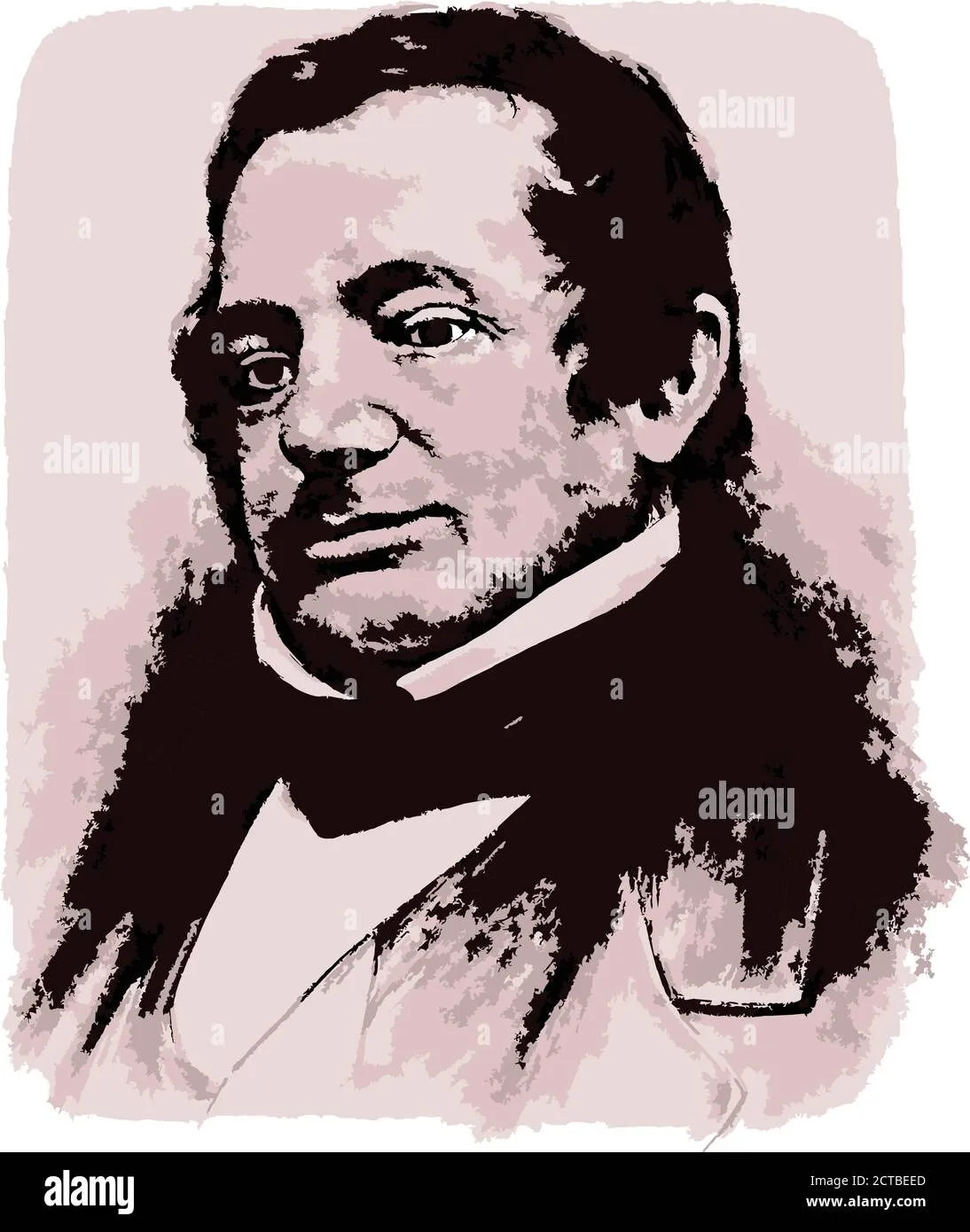 Photo: Washington Irving, via c8.alamy.com
Irving's biography was more historical fiction than factual account. He invented dramatic scenes, created dialogue that never happened, and transformed the real debate about Earth's size into a fictional confrontation between enlightened science and backward superstition.
The flat-Earth story fit perfectly with 19th-century American attitudes about progress and scientific advancement. Irving's version made Columbus into a heroic figure of the Enlightenment, battling against the forces of ignorance and tradition. It was compelling narrative that reinforced everything Americans wanted to believe about the triumph of reason over dogma.
The problem was that Irving presented his fictional account with the authority of historical fact. Readers assumed that a published biography would be based on actual evidence, not novelistic imagination.
From Fiction to Textbook Fact
Irving's fabricated version of the Columbus story was so appealing that it quickly spread into educational materials. Textbook writers copied Irving's dramatic narrative without checking whether it was supported by historical evidence. Teachers loved the story because it perfectly illustrated the conflict between scientific progress and backward thinking.
By the late 19th century, the flat-Earth Columbus myth had become standard curriculum in American schools. Generations of students learned Irving's fictional version as established historical fact. The story was repeated so often and with such authority that questioning it seemed unnecessary.
Educational publishers had no incentive to fact-check a story that worked so well for teaching purposes. The myth served clear pedagogical goals: it made Columbus heroic, portrayed scientific thinking as courageous, and created a clear narrative about progress overcoming ignorance.
What Medieval People Actually Believed
Medieval Europeans weren't the scientific primitives that Irving's story suggested. Educated people in Columbus's time understood astronomy, mathematics, and geography far better than the flat-Earth myth implies.
Universities across Europe taught that the Earth was spherical. Medieval scholars had access to Greek and Roman texts that described the planet's round shape and calculated its size. The idea that educated Europeans believed in a flat Earth is almost entirely a modern invention.
Religious authorities weren't opposed to round-Earth theory either. The Catholic Church had officially accepted the spherical Earth concept centuries before Columbus was born. Medieval theologians saw no conflict between Christian doctrine and Greek astronomical knowledge.
The few people who did believe in a flat Earth during the medieval period were generally uneducated peasants, not the scholars and navigators who would have influenced Columbus's voyage planning.
Why the Myth Was So Irresistible
The flat-Earth Columbus story succeeded because it perfectly served 19th-century American cultural needs. The young nation was defining itself in opposition to European tradition and religious authority. A story about a brave explorer defying backward churchmen and ignorant scholars reinforced American values about individual courage and scientific progress.
The myth also simplified a complex historical period into an easy-to-understand narrative. Instead of explaining the nuanced debates about geography, navigation, and economics that actually surrounded Columbus's voyage, teachers could present a straightforward story about enlightenment versus ignorance.
Educators found the story pedagogically useful even after historians began pointing out its problems. It illustrated important concepts about scientific method and critical thinking, even if the historical details were wrong.
The Takeaway About Educational Mythology
The Columbus flat-Earth story reveals how easily fictional narratives can become accepted educational fact. When a story serves clear teaching purposes and reinforces cultural values, the pressure to verify its accuracy often disappears.
Modern historians have thoroughly debunked Irving's version of the Columbus story, but the myth persists in popular culture. Many Americans still believe that medieval people thought the Earth was flat, despite overwhelming historical evidence to the contrary.
The real lesson isn't about Columbus or medieval astronomy — it's about how we create and perpetuate the stories we tell about the past. Sometimes the most inspiring tales in our textbooks are the ones that tell us more about what we want to believe than what actually happened.