Breakfast Is the Most Important Meal of the Day — Says the Guy Who Was Trying to Sell You Cereal
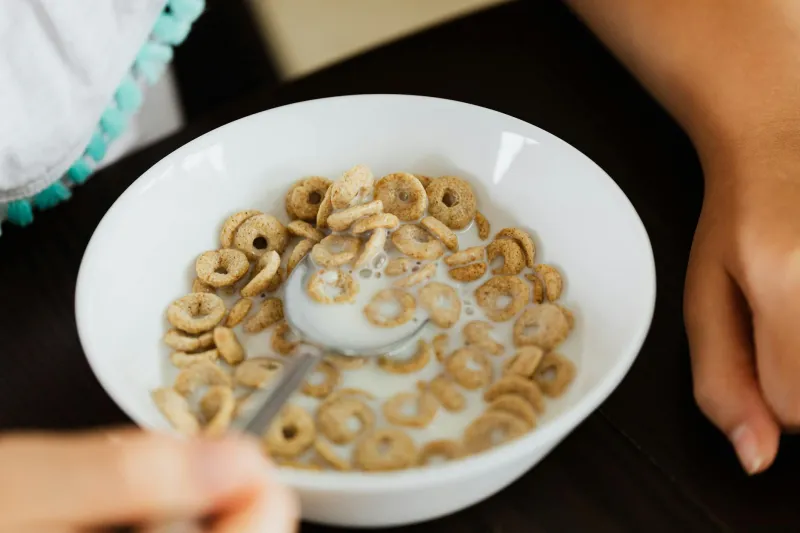
Breakfast Is the Most Important Meal of the Day — Says the Guy Who Was Trying to Sell You Cereal
Ask almost any American what the most important meal of the day is, and you'll get the same answer without hesitation. Breakfast. It's the kind of thing that gets passed down like folk wisdom — from parents to kids, from school lunch programs to morning news segments. It sounds like something your doctor told you. It sounds like science.
It isn't, really. Or at least, not in the way people assume.
Where the Idea Actually Came From
The phrase "breakfast is the most important meal of the day" has a surprisingly traceable origin, and it doesn't start in a research lab. It starts in the late 19th century, when a man named John Harvey Kellogg — yes, that Kellogg — was running a sanitarium in Battle Creek, Michigan, and promoting grain-based foods as part of a broader health philosophy that was equal parts medicine and moral reform.
Kellogg and his contemporaries, including C.W. Post, weren't just selling food. They were selling a worldview. Eating a hearty, grain-based breakfast was framed as virtuous, healthy, and distinctly American. The commercial incentive was obvious: if you convince people that skipping breakfast is dangerous, you sell a lot more cereal.
By the mid-20th century, the idea had been repeated so many times across advertising, school curricula, and public health messaging that it had taken on the weight of established fact. Nobody was checking citations anymore. The slogan had become the science.
What the Research Actually Shows
Here's where things get genuinely interesting. Modern nutrition research on breakfast is far less clear-cut than the cereal aisle would suggest.
A significant chunk of early studies linking breakfast to better health outcomes suffered from a methodological problem called confounding. People who regularly eat breakfast also tend to have more structured routines, more stable home environments, and better access to food overall. When researchers compared breakfast eaters to breakfast skippers without accounting for those variables, the breakfast group looked healthier — but not necessarily because of breakfast.
More rigorous trials, including randomized controlled studies where participants were actually assigned to eat or skip breakfast, have produced murkier results. A 2019 review published in The BMJ looked at 13 randomized trials and found that eating breakfast was associated with slightly higher daily calorie intake overall, and that skipping it didn't reliably lead to overeating later in the day — which contradicts one of the most common arguments made in favor of the morning meal.
For children, the picture is a little different. There is decent evidence that kids who eat breakfast perform better in school and have more consistent energy levels, particularly in lower-income households where food insecurity plays a role. But even here, researchers are careful to note that the benefit may be about having eaten, not about eating at a specific time of day.
The Meal Timing Conversation Is More Complicated Now
Nutrition science has spent the last decade taking a harder look at when we eat, and the results have complicated the old breakfast narrative considerably.
Interest in intermittent fasting — which often involves skipping breakfast deliberately — has grown substantially, and some research suggests that compressing your eating window may have metabolic benefits for certain people. Time-restricted eating isn't a magic bullet, but it's a legitimate area of study, and it doesn't fit neatly with the idea that going without breakfast is inherently harmful.
Circadian biology has also entered the conversation. Some researchers argue that eating earlier in the day aligns better with the body's natural hormonal rhythms, which would lend some support to the breakfast argument. But "earlier" is relative, and "morning" for a night-shift worker is a very different thing than it is for someone with a 9-to-5 schedule.
The honest summary of where the science stands: meal timing matters, context matters, individual variation matters, and the blanket certainty that breakfast is non-negotiable is not well supported.
Why the Myth Has Lasted So Long
There's a reason this particular piece of advice has proven so sticky. It's simple. It's actionable. And it was backed by decades of advertising that felt indistinguishable from public health messaging.
Cereal companies funded nutrition research for most of the 20th century — a fact that's worth sitting with. When the entity paying for studies also profits from a particular conclusion, the results deserve some scrutiny. That doesn't mean all industry-funded research is wrong, but it does mean that the confident, consensus-sounding advice around breakfast has a financial history that rarely gets mentioned when the advice is repeated.
There's also the psychological comfort of routine. Breakfast feels like a good habit. It feels like discipline. Telling people that skipping it is fine — or even beneficial for some — runs against a deeply ingrained cultural narrative about how responsible people start their day.
The Actual Takeaway
None of this means breakfast is bad. If you eat breakfast and feel better for it, keep eating breakfast. If you're feeding kids, getting food into them in the morning is probably a good call. The meal itself isn't the problem.
The problem is the certainty. The idea that skipping breakfast is medically dangerous, or that eating it guarantees better health outcomes, is not something the current body of research supports with any real confidence. It's advice that was shaped more by commerce than by clinical evidence, and it's been repeated so many times that questioning it feels almost irresponsible.
That's usually a sign it's worth questioning.